From Move-Out to Move-In: How We Prepare Homes for New Residents
This is a subtitle for your new post
One of the questions we hear most often from both owners and incoming tenants is:
"What happens between move-out and move-in?"
The answer is: quite a lot.
At KNR Property Management, our goal is simple. We want owners to protect and preserve their investment, and we want incoming tenants to walk into a home that is clean, functional, and ready for a fresh start.
Moving can be stressful enough. A smooth turnover process helps make the transition easier for everyone involved.
Step 1: Move-Out Inspection
Once a tenant vacates the property, our team conducts a detailed inspection of the home.
During this inspection, we evaluate the overall condition of the property and identify any items that need attention before the next resident moves in. This includes everything from paint touch-ups and cleaning needs to maintenance concerns and safety items.
Our goal is to ensure the home is ready for its next chapter while also documenting the property's condition accurately and fairly.
Step 2: Maintenance and Repairs
After the inspection, our maintenance team gets to work.
Depending on the condition of the property and how long the previous resident lived there, we determine whether the home needs paint touch-ups or a full repaint.
As a general rule:
- If the home was fully painted before move-in and the resident occupied the property for two years or less, touch-ups are often sufficient.
- If there is significant wear, fading, or the home has been occupied for a longer period, a full repaint may be recommended.
While on-site, our maintenance team also checks:
- Doors and locks
- Windows and screens
- Light fixtures
- Electrical outlets
- Smoke detectors
- Plumbing fixtures
- Drains and water flow
- Visible leaks
The goal is to catch small issues before they become larger and more expensive problems down the road.
Step 3: Carpet Cleaning and Flooring Review
Next comes flooring.
If the property contains carpet, we arrange for professional carpet cleaning whenever appropriate. Flooring is one of the first things people notice when entering a home, and fresh, clean flooring helps create a welcoming environment for incoming residents.
Step 4: Exterior Touch-Ups
The outside of the property matters just as much as the inside.
Before a new tenant moves in, we typically arrange for a general review of:
- Lawn condition
- Bushes and shrubs
- Tree limbs and overgrowth
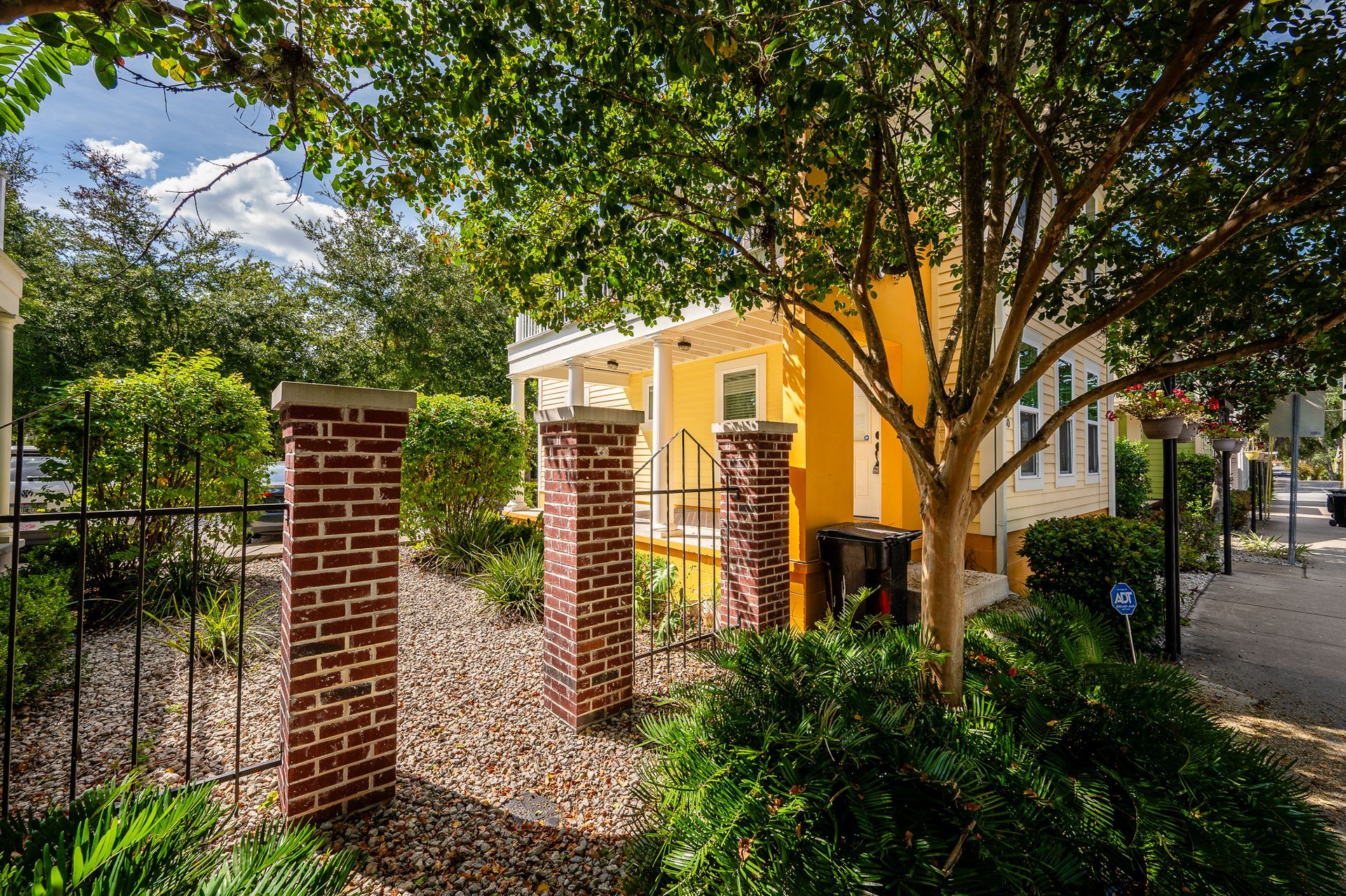
- Overall curb appeal
A well-maintained exterior helps protect property value and creates a positive first impression.
Step 5: Professional Housekeeping
Once maintenance work is complete, our housekeeping team performs a thorough cleaning of the property.
This is one of the final steps before the home is considered move-in ready.
A clean home allows incoming residents to focus on unpacking and settling in rather than cleaning up after someone else's move.
Step 6: Final KNR Documentation
Before keys are released, a KNR team member conducts a final walkthrough.
This step is extremely important.
We document the condition of the property and note any pre-existing cosmetic imperfections that could potentially be mistaken for damage later.
For example:
- A small nick on a cabinet door
- A scratch on a countertop
- Minor wear on flooring
- A paint blemish that existed before move-in
Documenting these items helps protect everyone involved. Incoming tenants are not held responsible for pre-existing conditions, and owners have a clear record of the home's condition at the start of the tenancy.
Understanding Normal Wear and Tear vs. Damage
One of the biggest misconceptions about security deposits is that property managers are looking for reasons to keep them.
The reality is much simpler.
Nobody wants to keep a tenant's security deposit. Security deposits are intended to cover damages that go beyond normal wear and tear.
Examples of Normal Wear and Tear
These are items that naturally occur with everyday living:
- Minor scuff marks on walls
- Small nail holes used for hanging pictures
- Carpet wear from normal foot traffic
- Fading paint over time
- Loose door handles from regular use
Examples of Tenant Damage
These are conditions that typically require repair or replacement:
- Large holes in walls
- Broken doors or windows
- Missing blinds
- Pet damage
- Crayon, marker, or paint on walls
- Broken fixtures
- Burns or stains requiring carpet replacement
- Missing garage remotes, keys, or HOA access devices
Our goal is always to evaluate the property fairly and consistently.
How Tenants Can Help Make Move-In Easier
There are a few simple steps that help make move-in day go smoothly.
Transfer Utilities Before Key Pickup
Utilities should be transferred into the incoming resident's name effective on or before move-in day.
This helps ensure that electricity, water, and other essential services are active when you arrive.
Schedule Your Key Pickup
Scheduling a key pickup appointment helps us serve everyone efficiently.
Our team may be assisting other residents, owners, vendors, or prospective tenants throughout the day. Scheduling ahead helps ensure someone is available to assist you when you arrive.
Set Up Your Tenant Portal
The tenant portal is one of the most useful tools available to residents.
Through the portal, tenants can:
- Pay rent online
- Access lease documents
- View important notices
- Submit maintenance requests
- Track work order updates
We strongly encourage tenants to complete their portal setup as soon as possible.
How Tenants Can Help Make Move-Out Easier
One of the most common issues we encounter after move-out is missing forwarding addresses.
If we do not receive a forwarding address, any required security deposit correspondence must be mailed to the last known address—which is often the property that was just vacated.
To avoid delays, tenants should provide a forwarding address before moving out.
This simple step helps ensure important documents and any applicable security deposit correspondence are sent to the correct location.
Our Goal: A Smooth Transition for Everyone
Every turnover is an opportunity to protect an owner's investment while creating a positive experience for a new resident.
From inspections and maintenance to cleaning, documentation, and move-in preparation, a great deal of work happens behind the scenes before keys ever change hands.
At KNR Property Management, we believe that attention to detail matters. Taking the time to properly prepare a home helps preserve property value, reduce future maintenance issues, and create a smoother experience for everyone involved.
Whether you're an owner entrusting us with your investment or a tenant preparing for your next move, our team is committed to making the transition as seamless as possible.