Normal Wear and Tear vs. Tenant Damage: A Gainesville Property Manager Explains the Difference
This is a subtitle for your new post
One of the hardest conversations we have with rental property owners usually happens right after a tenant moves out.
An owner walks into the home, looks around and says, “It didn't look like this when they moved in.”
And they're probably right.
If someone has lived in a home for three, four or five years, it shouldn't look exactly the way it did the day they received the keys. Someone has been living there.
That's where the distinction between normal wear and tear and tenant damage becomes incredibly important.
As a property manager, part of our job is protecting an owner's investment. But protecting an investment doesn't mean charging a tenant's security deposit for every item that needs attention between tenants.
Sometimes the tenant pays.
Sometimes the property owner pays.
And sometimes explaining the difference is one of the least fun parts of my job.
First: A Security Deposit Is Not a Turnover Fund
This is probably the biggest misconception I see.
Every rental property will eventually have turnover expenses. Even if you have a wonderful tenant who pays on time, takes care of the property and leaves it clean, there are costs associated with owning and maintaining a home.
Paint wears.
Carpet wears.
Drawers loosen.
Door knobs get wobbly.
Landscaping grows.
Homes need to be pressure washed. Gutters need to be cleaned. Trees need to be trimmed and reshaped.
Those things don't suddenly become the former tenant's responsibility simply because they happen to be noticed when the tenant moves out.
The security deposit isn't there to make an older property brand new again for the next resident.
What Does Florida Law Say About Normal Wear and Tear?
Florida's residential landlord-tenant laws distinguish between ordinary wear and tenant-caused damage.
Florida Statute §83.49 governs security deposits and the process landlords must follow when making a claim against one. Other provisions of Florida's landlord-tenant laws also expressly refer to a tenant's responsibility for damage beyond normal wear and tear.
That distinction matters.
It means that when we conduct a move-out inspection, the question isn't simply:
“Does this need to be repaired?”
The better questions are:
What caused it? How long did the tenant live here? Is this consistent with ordinary use? What did the property look like before? What did our inspections show during the tenancy? And can we document the change?
Those are very different questions.
This article is intended as general property-management information and is not legal advice. Security-deposit claims should be evaluated based on the lease, documentation, circumstances and current Florida law.
What Does Normal Wear and Tear Actually Look Like?
There isn't a magic checklist that works for every property and every tenancy.
A mark that might be unusual after six months may be perfectly understandable after five years.
In our experience managing Gainesville rental properties, common examples of normal wear can include:
- Minor marks and scuffs on walls, including marks where a bed or sofa sat
- Small nail holes from ordinarily hung pictures or décor
- Carpet showing normal wear in high-traffic areas
- Drawers becoming loose or wobbly through regular use
- Loose door knobs and similar hardware
- Paint that has reached the point where touch-ups no longer make sense
We generally expect rental properties to need more substantial painting somewhere around the three-to-five-year range, depending on the property, paint quality and amount of use.
That doesn't mean every paint issue is automatically normal wear. A giant hole in the drywall is a very different conversation.
It means we have to look at the entire picture.
“But I Just Painted It Before They Moved In.”
We recently turned a rental after the same tenant had occupied the property for approximately five years.
The walls needed substantial painting.
There was no question about that.
But here's the important distinction:
Something needing to be painted doesn't automatically mean the tenant damaged it.
Five years of furniture, people, everyday living and cleaning will leave evidence that a home has been occupied. At some point, repeatedly touching up walls can actually look worse than simply repainting them.
That repaint becomes part of maintaining the rental property for its next chapter.
This can be difficult for an owner who remembers exactly what the house looked like when the tenant moved in.
I understand that.
For some owners, the rental was once their personal home. They remember choosing the flooring, painting the bedrooms and taking care of the yard. There's an emotional attachment to it.
But owning a rental requires looking at the property differently.
We're still going to take care of your home. We're still going to expect tenants to take care of it.
But a rental property is also an investment being used by real people. After years of occupancy, you're going to see some wear.
So What IS Tenant Damage?
There are plenty of things that make us say, “Nope. That's not normal wear.”
Examples can include:
- Holes punched or otherwise significantly damaged into walls
- Large or unusual carpet stains
- Broken cabinets
- Broken refrigerator shelves
- Broken blinds
- Missing fixtures
- Damage caused by neglect
- Other physical damage clearly beyond what we'd expect from normal use
We also look at tenant responsibilities under the lease.
Things such as replacing burned-out bulbs or maintaining required HVAC filters don't automatically become the owner's responsibility simply because the tenant waited until move-out to deal with them.
Cleaning is another common misunderstanding.
A tenant may think, “They're going to clean it for the next person anyway.”
That doesn't necessarily relieve the tenant of their obligation to return the property in the condition required by their lease.
Normal wear and tear and cleanliness are two separate conversations.
This Is Why We Take So Many Photos
There is a reason our team can feel a little photo-happy.
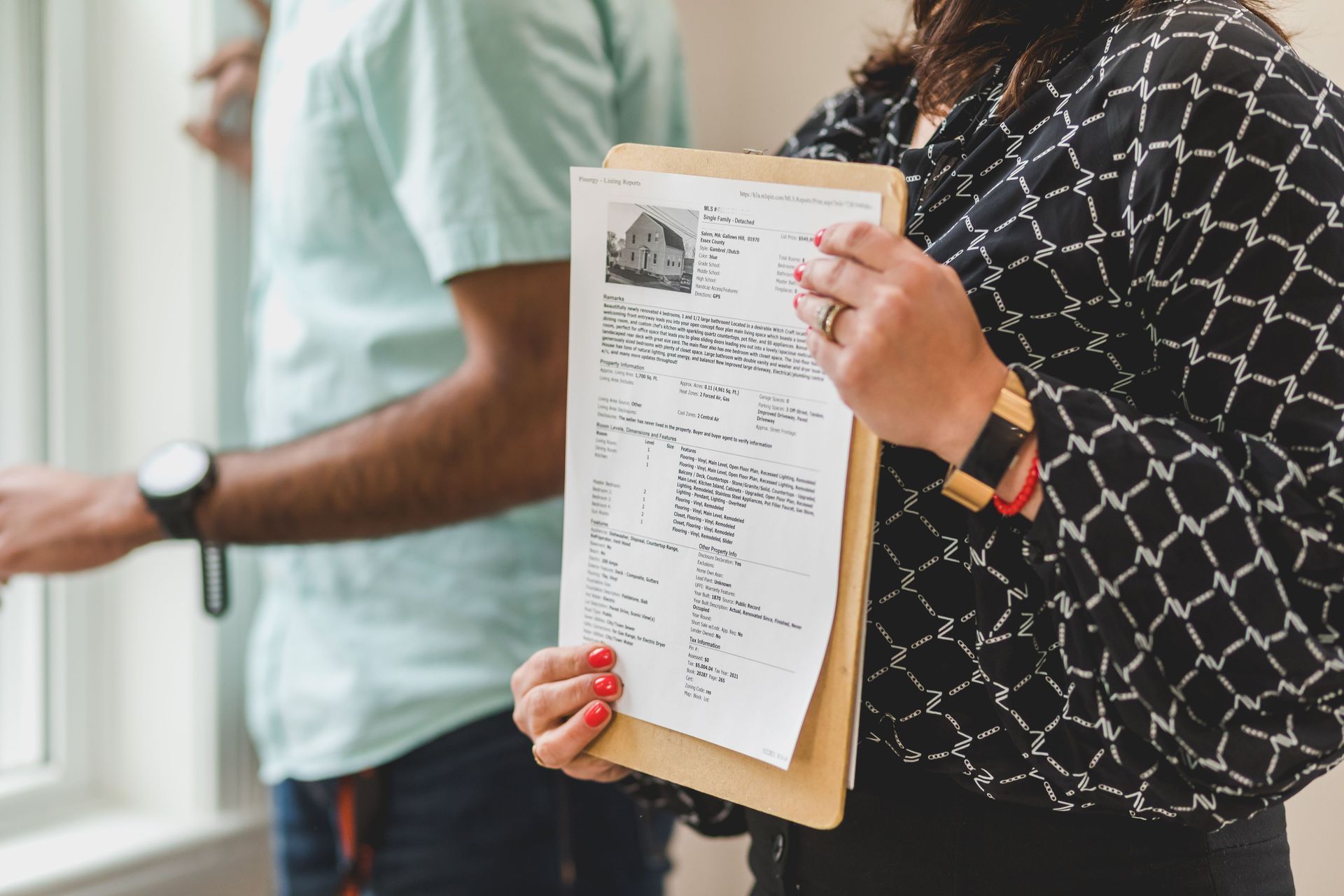
At KNR Property Management, we don't want to rely on someone's memory of what a property looked like three years ago.
We document.
We conduct move-in inspections. We perform quarterly inspections throughout the tenancy. We document the property again at move-out.
When something comes up, we can compare those records.
Was that cabinet already showing wear?
When did that stain appear?
Was the wall damaged at move-in?
Did something gradually deteriorate over several years, or did it suddenly appear between inspections?
You can normally tell a lot when you have good documentation.
And if a security-deposit dispute becomes more serious, documentation becomes even more important. A prior situation we handled involving a property transferred from another management company demonstrated exactly why: the previous manager had very limited move-in documentation, which made determining and substantiating responsibility for older conditions much more difficult.
This is one reason good property management starts long before move-out day.
Sometimes We Have to Tell Our Owners “No”
This may be the part people don't expect a property manager to say publicly.
There are times an owner wants us to charge something against a security deposit and we don't agree.
Those conversations can be hard.
We'll explain why. We'll show them the documentation. When appropriate, we'll point them toward the applicable Florida statute or recommend getting legal guidance.
Sometimes the owner understands completely.
Sometimes it takes a little talking through.
And occasionally, an owner simply doesn't agree with us.
We've even lost management accounts over disagreements like this.
Of course we don't want to lose a client. But our responsibility isn't to charge a tenant simply because doing so would make an owner happy.
Our responsibility is to manage the property properly, follow the lease and Florida law, document what happened, and make decisions we can reasonably support.
That's part of professional property management.
Tenants Aren't Automatically Off the Hook Either
Before my tenants reading this get too excited, this works both ways.
“Normal wear and tear” isn't a magic phrase that makes everything disappear at move-out.
If you broke it, damaged it, removed it, failed to maintain something that was your responsibility, or didn't return the property as required under your lease, there may be a legitimate charge.
Burned-out light bulbs don't become the landlord's problem because you're moving.
A dirty HVAC filter doesn't become normal wear because it's July 31.
And moving your belongings out isn't the same thing as cleaning the home.
The goal isn't to automatically side with the owner or automatically side with the tenant.
The goal is to determine what actually happened.
Good Rental Ownership Requires a Maintenance Mindset
I think this is the bigger conversation behind security deposits.
If you own rental property, you should expect to spend money maintaining it.
Your tenant's deposit isn't your maintenance reserve.
There will be years when very little needs to be done, and there will be turns when the property needs paint, landscaping, pressure washing, appliance work or other updates before it's ready for the next tenant.
That doesn't necessarily mean you had a bad tenant.
It means you own a house.
And houses require maintenance.
The best rental property owners I work with understand the difference between protecting their investment and expecting their investment to never show evidence that someone lived there.
Our job at KNR is to help determine which is which.
Have a Gainesville Rental Property?
If you own a rental property in Gainesville, Alachua County or one of the surrounding communities and you're struggling with inspections, documentation, tenant turnover or security-deposit issues, those are exactly the kinds of things professional property management should help you navigate.
At KNR Property Management, we manage the property throughout the tenancy — not just when the rent is due.
Because sometimes the most important part of protecting an owner's investment is knowing what not to charge the tenant for.
At a Glance
Can a Florida landlord charge a tenant for normal wear and tear?
Normal wear and tear should be distinguished from damage beyond ordinary use when evauating tenant charges. Florida law contains specific requirements governing security deposits and claims against them, so landlords should evaluate the circumstances, lease and documentation before making a claim.
Are wall marks considered normal wear and tear in Florida?
Minor scuffs and marks may be consistent with ordinary use, particularly after a longer tenancy. Significant wall damage, such as large holes, may be treated differently. The length of the tenancy and move-in, inspection and move-out documentation are important.
Can a landlord charge for painting after a tenant moves out?
It depends on why painting is necessary. Repainting associated with ordinary aging and use of the property is different from painting required because of tenant-caused damage. At KNR, we also consider the length of the tenancy and the property's documented condition.
Why are move-in photos important for a security deposit claim?
Photos establish the property's condition at the beginning of a tenancy. Comparing move-in photographs with periodic inspection and move-out photographs can help determine when damage occurred and whether a charge can be reasonably supported.
How often should a Gainesville rental property be inspected?
Inspection frequency should comply with the lease and applicable Florida law. At KNR Property Management, periodic inspections are an important part of documenting property condition, identifying maintenance needs and addressing problems before move-out.