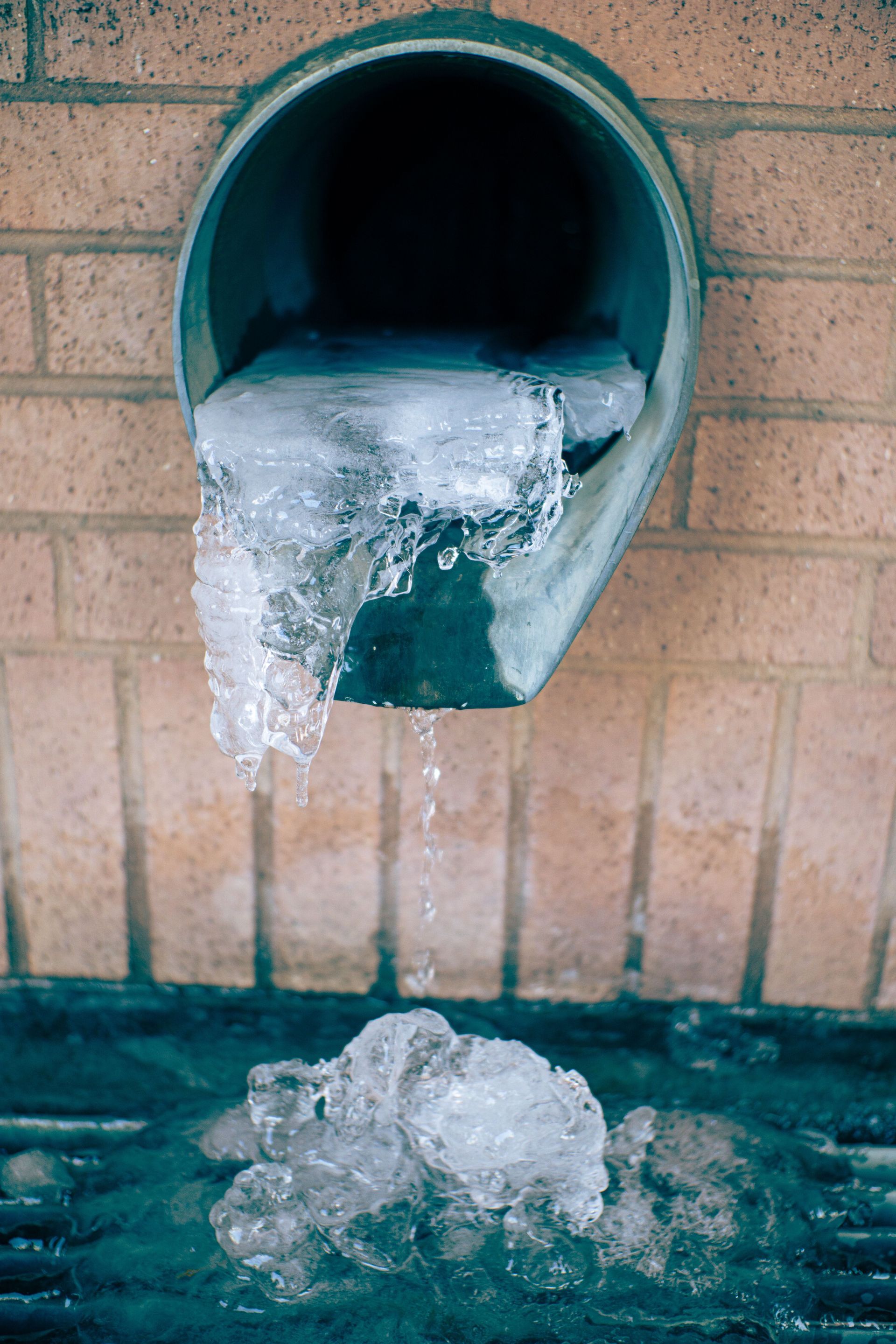
Florida Humidity, Condensation and Moisture: What Rental Owners and Residents Should Watch
This is a subtitle for your new post
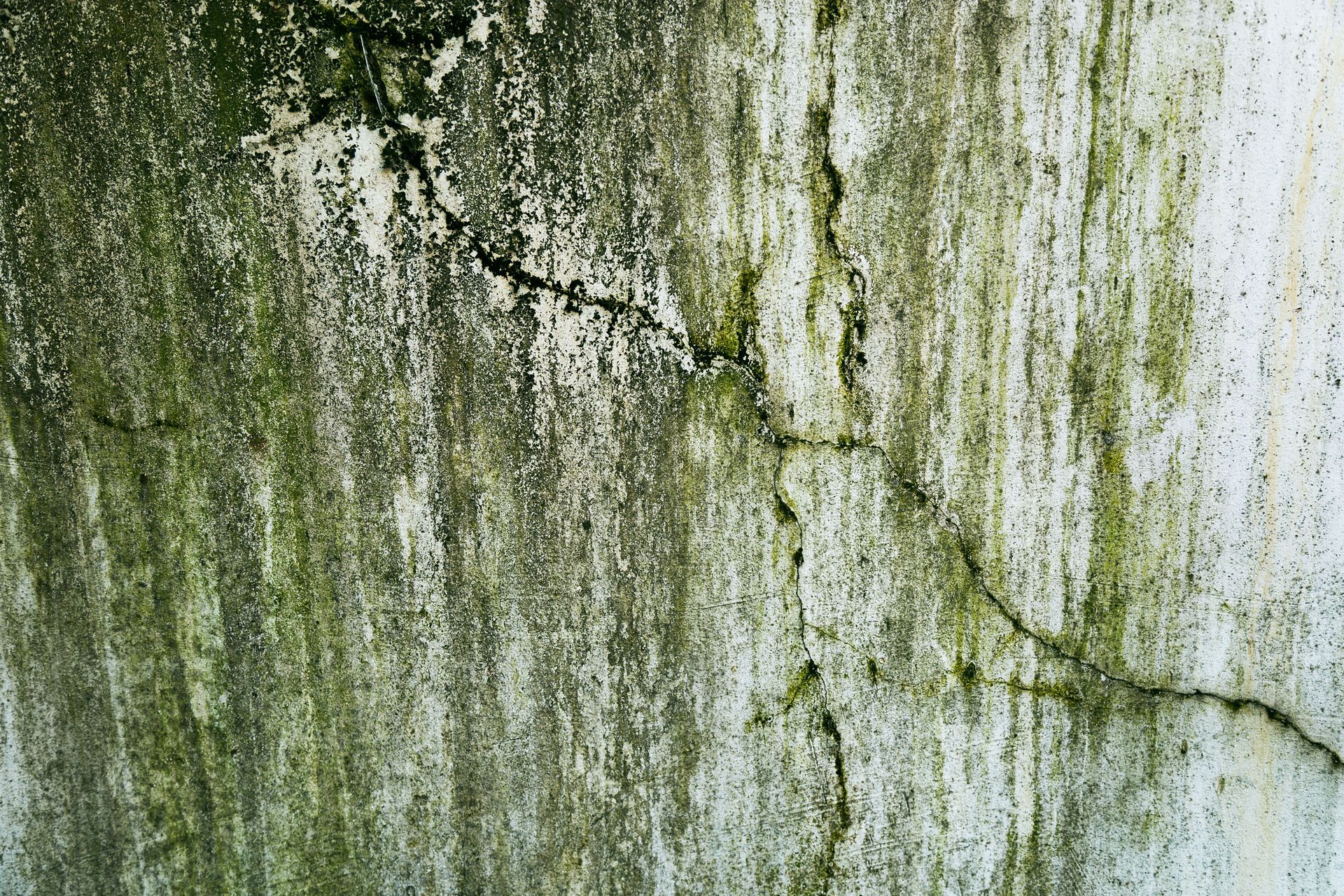
There is a reason Gainesville’s football stadium is called the Swamp.
Much of KNR’s portfolio is here in Gainesville, and another part is along the Nature Coast. Neither location is known for exceptionally dry air.
For residents moving to Florida, the humidity can take some getting used to. Windows may develop condensation. A bathroom can stay damp after a hot shower. Shaded exterior surfaces can develop buildup that needs cleaning.
These conditions deserve attention, but they do not all mean the same thing.
The important questions are: Where is the moisture coming from? Is it temporary or persistent? Is something leaking? Is the ventilation working? And what needs to happen to keep the property dry?
At KNR, we approach those questions by investigating the condition, explaining what we find, and involving the appropriate vendor when needed.
Florida Humidity Is Expected. Persistent Indoor Dampness Needs Attention.
Outdoor humidity is part of living in Florida. Allowing moisture to accumulate inside a home is something we need to prevent.
Residents have daily responsibilities, including using ventilation, operating the HVAC system according to their lease instructions, cleaning appropriate surfaces, and reporting problems.
Owners have responsibilities too. Roofs, plumbing, drainage, windows, exhaust fans, and HVAC equipment need to function properly.
A home can develop moisture concerns because of equipment problems, building conditions, household habits, or a combination of factors. We need to identify the cause before deciding on the solution.
What Does Window Condensation Mean?
Condensation forms when moist air meets a surface cold enough for water droplets to develop.
Where the droplets appear matters.
Moisture on the outside of a window is different from water collecting on the inside. Fog trapped between panes may indicate a failed window seal rather than a housekeeping concern.
If you notice a little interior condensation, wipe the surface dry and watch whether it returns. Do not allow water to repeatedly collect on the sill or soak surrounding materials.
Report condensation that is persistent, heavy, affecting multiple surfaces, or accompanied by staining, damaged finishes, or a musty smell.
Wiping a window helps remove the water. It does not explain why the water keeps returning.
What About Buildup on Shaded Exterior Walls?
Shaded areas of Florida homes often remain damp longer than areas receiving direct sunlight. Exterior surfaces may develop algae or other biological buildup and need appropriate cleaning.
We coordinate pressure washing or other suitable exterior cleaning as needed for the property.
Exterior discoloration does not, by itself, establish that there is an indoor mold problem. However, water getting through an exterior wall or window is a separate concern and should be reported.
The location and source matter more than simply seeing a dark mark.
Hot Showers Need Working Ventilation
A long, hot shower releases moisture into the bathroom. If that moisture stays trapped, surfaces remain wet longer and growth can recur.
Run the bathroom exhaust fan during showers and afterward until excess moisture has cleared. If there is no fan, ask management about the ventilation arrangement for that bathroom.
Opening a window is not always the best solution during Florida’s hot, humid weather because it can introduce additional moisture. Follow property-specific guidance.
Keep accessible bathroom surfaces clean using products appropriate for the material and their label instructions. Never mix cleaning products.
If the fan does not work, seems ineffective, or moisture persists despite normal cleaning and ventilation, submit a work order.
Residents can manage ordinary daily moisture. They should not have to compensate indefinitely for broken ventilation or a leak.
Keep the HVAC System Operating as Instructed
KNR’s lease instructions require residents to keep the HVAC system operating appropriately while they occupy the home and when they travel.
During cooling, an air conditioner removes moisture as well as heat. Turning it off for an extended summer absence can allow humidity to rise.
That does not mean cooling must run continuously every day of the year. It means residents should maintain suitable temperature and moisture control, follow management’s instructions, and avoid shutting the system down for a long absence without an approved plan.
Before leaving town, ask about the appropriate thermostat settings for your property.
Also keep windows and exterior doors closed while cooling the home, maintain the correct filter, and avoid blocking supply vents or returns.
If the house feels persistently damp even when the AC is operating, report it. Lowering the thermostat repeatedly is not a substitute for evaluating the system.
What Indoor Humidity Level Should You Watch?
EPA guidance recommends keeping indoor relative humidity below 60%, ideally between 30% and 50% when possible.
An inexpensive humidity monitor can help residents describe what they are experiencing. Record the reading, room, time, and whether it stays elevated.
A single reading after a shower is different from elevated humidity throughout the home for several days.
A monitor provides useful information, but it cannot diagnose mold or determine whether a building is safe. Persistent readings above the recommended range warrant a conversation with management and, when appropriate, a professional evaluation.
When Turning the AC Off Became a Bigger Problem
We once received a report from a townhome resident who was finding a thin film of growth on furniture, clothing, shoes, and other surfaces during the summer rainy season.
The resident had been leaving the AC off to reduce utility expenses and allowing humid outdoor air inside.
That was an important part of the investigation. Widespread growth on belongings and surfaces required attention, and restoring appropriate moisture control was part of the response.
We explained the lease requirements and the need to operate the system properly.
The lesson is not that every moisture problem is a resident’s fault. It is that saving on cooling by allowing a home to remain hot and damp can lead to a much larger problem.
Responsibility for costs should depend on documented findings, the lease, and applicable law—not simply the presence of growth.
What Happens When Someone Reports Possible Mold?
KNR begins by gathering information and arranging an initial evaluation.
Tell us:
- Where the concern is located.
- When you first noticed it.
- Whether the surface is wet.
- Whether there is a leak, stain, odor, or visible growth.
- Whether it returns after cleaning.
- Whether the HVAC system or exhaust fan has been malfunctioning.
Photographs help when they can be taken safely.
The findings determine who should respond next. A ceiling stain might require a roofer, plumber, HVAC technician, or coordination with an upstairs unit. Moisture around a vent may require an HVAC evaluation. Persistent or widespread concerns may require a qualified moisture or mold professional.
The first visit is intended to establish what is happening, not to decide in advance that the resident or property must be responsible.
Does Every Concern Require Mold Testing?
Not necessarily.
EPA explains that sampling is usually unnecessary when visible mold is already present. The priority is to address the moisture source and arrange appropriate cleanup.
A qualified professional may recommend assessment or testing when the source is unclear, hidden growth is suspected, or the circumstances call for further investigation.
Color alone cannot identify the type of mold or establish its health significance. A dark patch should not automatically be labeled “toxic black mold,” but it should not automatically be dismissed as harmless dirt either.
If you have health concerns or symptoms, seek advice from a healthcare professional. Property-management observations are not a medical assessment.
Report These Conditions Promptly
Do not wait for the next quarterly inspection to report:
- Active plumbing leaks.
- Water entering through the roof, walls, or windows.
- New or expanding ceiling stains.
- Persistent dampness or musty odors.
- Recurring or widespread visible growth.
- Wet flooring, cabinets, or belongings.
- Water around HVAC equipment.
- A bathroom exhaust fan that does not work.
Active flooding, a bulging or sagging ceiling, or water near electrical equipment requires urgent attention. Stay away from the hazard and use management’s emergency contact procedure. Call 911 for immediate threats to life or safety.
Do not paint over growth or disturb affected building materials to investigate it yourself.
How Quarterly Inspections Help
During KNR’s quarterly inspections, we look for visible concerns such as dripping plumbing, water beneath sinks, ceiling stains, and areas where moisture may be gathering.
These visits help us document changes and arrange follow-up before a small issue becomes more disruptive.
However, an inspection is a snapshot. It cannot reveal every concealed problem or replace a resident’s prompt report when something changes between visits.
The resident lives there every day. If a new stain appears or a closet suddenly smells damp, that information matters.
What Owners Can Do
Preventive maintenance gives moisture fewer opportunities to become a problem.
Owners should address roof and plumbing repairs promptly, maintain HVAC equipment, keep drainage and gutters functioning, and repair ineffective bathroom ventilation.
Exterior sealing, window concerns, duct insulation, and other building issues may also need attention based on vendor findings.
When a concern remains unresolved, follow-up matters. “Someone already went out” does not necessarily mean the source has been corrected.
Frequently Asked Questions
Is condensation on windows normal in Florida?
It can occur because of temperature and humidity differences. Persistent interior condensation, water damage, or recurring moisture needs investigation rather than simply being accepted as part of Florida living.
Should I turn off the AC while away?
Follow your lease and management’s instructions. Extended shutdowns during hot, humid weather can allow moisture to accumulate. Ask about appropriate settings before traveling.
What humidity level should I aim for?
EPA recommends below 60% relative humidity, ideally 30% to 50% when possible. Persistent elevated readings should be reported.
Does bathroom growth always mean the home has a major mold problem?
No. Cleaning, ventilation, leaks, and other moisture sources all need consideration. Recurring growth or persistent dampness warrants follow-up.
Can you identify mold by its color?
No. Color alone does not establish the type or health significance. Report the condition so it can be evaluated appropriately.
Does every mold complaint need an air test?
No. Evaluation, identifying the moisture source, and appropriate cleanup may be more useful than sampling. A qualified professional can advise when testing would help.
Who pays for moisture-related repairs?
Responsibility depends on the cause, documentation, lease, and applicable law. A building leak or equipment failure is different from damage demonstrably caused by failure to carry out a resident responsibility.
Meet Rebecca and KNR Property Management
I’m Rebecca Johnson, Broker/Owner of KNR Property Management. Our team manages long-term rentals throughout Gainesville, North Central Florida, and the Nature Coast.
We help owners maintain their properties and residents understand the everyday care Florida homes need.
If you notice a leak, recurring condensation, persistent dampness, or another moisture concern, report it early. Clear information helps us send the right person and work toward the right solution.
We cannot change Florida’s weather. We can pay attention to what it is doing inside the house.