Preparing Florida Rentals for El Niño: Rain, Cold Snaps, and Frozen Pipes
This is a subtitle for your new post
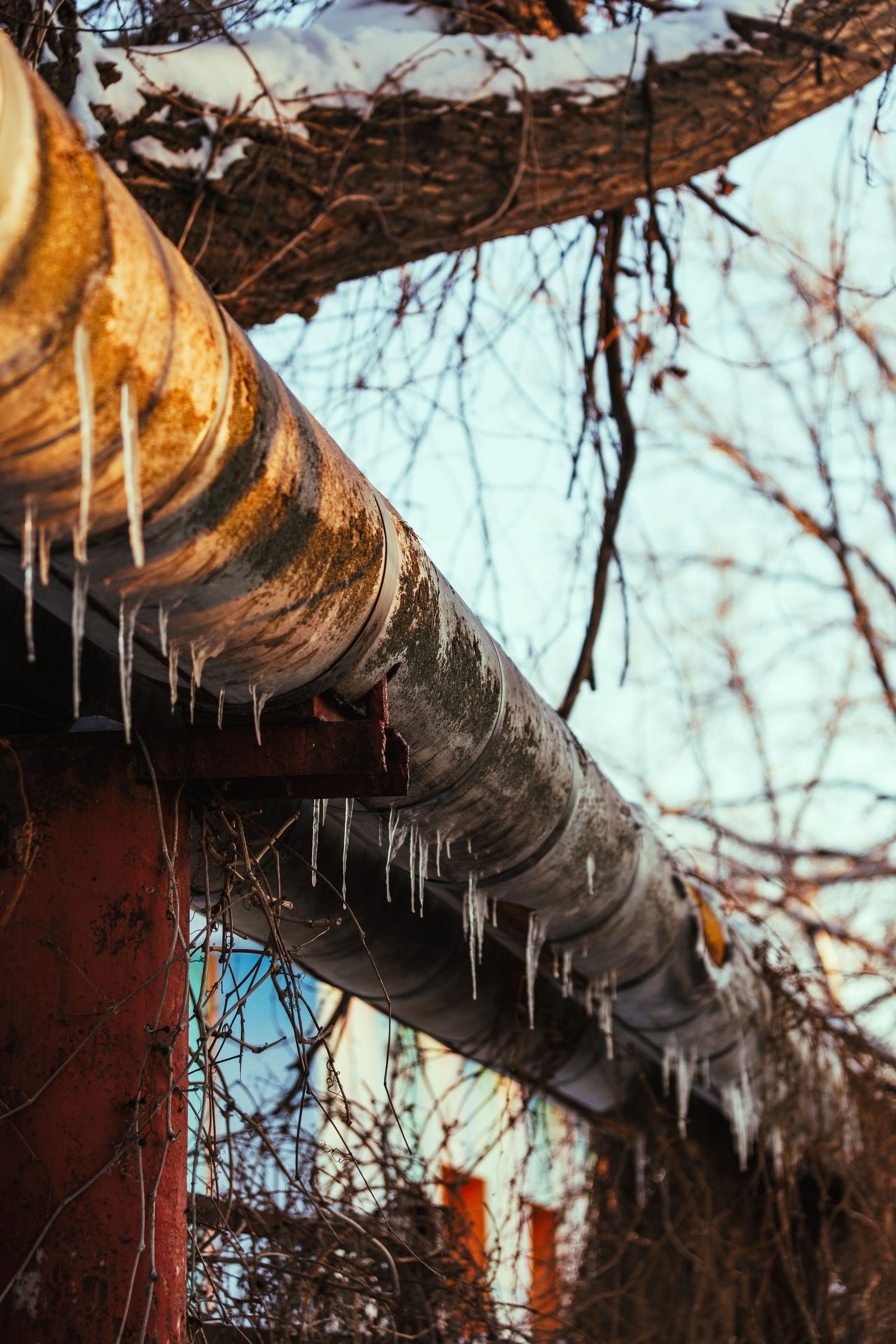
Preparing Florida Rentals for El Niño: Rain, Cold Snaps, and Frozen Pipes
Florida winter sounds lovely until someone calls before sunrise because the pipes froze.
Winter is my least favorite season for plumbing emergencies. We try to explain the precautions, identify water shutoffs, and remind residents what needs to happen before a freeze. Then someone leaves for winter break, turns the heat off, and assumes the house will be fine because, well, it is Florida.
Florida does not always cooperate.
With a strong El Niño expected this season, this is a good time for owners and residents to prepare for winter rain, severe weather, and any cold snaps that develop. A little preparation now is considerably easier than finding a plumber when everyone else needs one too.
What Does El Niño Actually Mean for Florida?
NOAA’s October 8, 2026 outlook reported that El Niño was strengthening, with a greater than 83% chance of strong-to-very-strong conditions continuing through January–March 2027. That is a seasonal outlook, not a forecast for a particular property or storm. cpc.ncep.noaa.gov
El Niño often brings Florida a wetter, stormier winter, with cooler average conditions influenced by additional clouds and rain. Cooler averages do not automatically mean more hard freezes. Local forecasts and freeze warnings should guide pipe-protection decisions. weather.gov
For rental owners and tenants, the practical approach is to prepare for water, wind, outages, and cold weather without assuming every possible problem will happen.
Owners: Prepare the Property Before the Warning
Residents have responsibilities, but they cannot compensate for exposed plumbing, a leaking roof, or a heating system that does not work.
Before winter weather arrives, owners should arrange checks of:
- Exposed pipes, outdoor faucets, and pipe insulation.
- Heating equipment and thermostat operation.
- Roof condition and known leaks.
- Gutters, downspouts, and drainage.
- Exterior doors, windows, and weather seals.
- Trees with visible damage or declining limbs.
- Fences and loose exterior components.
- Accessible water shutoffs.
Have qualified vendors handle repairs and evaluate concerns. Residents should not be expected to climb onto roofs, inspect electrical equipment, or install unfamiliar freeze-protection products.
Deferred maintenance rarely becomes cheaper. A small repair before the weather changes is often easier to schedule than emergency work after damage has started.
Know Where the Water Shutoff Is
One of the most useful things we can do is identify and label the water shutoff before anyone needs it.
Residents should know where their accessible shutoff is and whom to call if they cannot safely operate it. Condominiums and shared systems may require coordination with an HOA or utility.
If a pipe bursts, stopping the water can make an enormous difference. That is a difficult moment to begin searching for a valve in the dark.
Do not enter standing water near electrical equipment or attempt to operate unfamiliar utility infrastructure. Call for assistance when the situation is unsafe.
Tenants: Do Not Turn the Heat Off Before Leaving
Saving a little on utilities can become an expensive decision if the property freezes.
During cold weather, follow management’s instructions for heating and pipe protection. The American Red Cross recommends leaving heat on at no lower than 55°F when away; a particular home may require a higher setting. Keep the temperature steady during extreme cold rather than lowering it overnight. American Red Cross
Before traveling:
- Confirm the heat works.
- Keep required utilities active.
- Tell management if you will be away during a warning.
- Follow the property’s freeze instructions.
- Make sure management has current contact information.
- Arrange any authorized check-ins needed for your absence.
Student residents, this includes winter break. Your classes may be on vacation. Your plumbing is still working.
Dripping Faucets: Follow Property-Specific Instructions
During very cold weather, a small drip from a faucet serving vulnerable exposed pipes can help prevent freezing. Opening kitchen and bathroom cabinet doors can also allow warmer air around plumbing; move cleaning products out of children’s and pets’ reach first. American Red Cross
Ask management which faucets need attention. Do not assume every faucet needs to run or that dripping alone protects an unheated home.
Report unusually weak flow or loss of water promptly. Do not try to thaw pipes with a torch, open flame, or improvised heater. Contact management so a plumber can evaluate the problem.
Vacant Homes Need a Plan Too
At KNR, vacant properties receive additional attention during freeze warnings. We check heating and carry out appropriate pipe-protection steps for the property.
However, a vacant-home visit is not continuous monitoring. Owners should confirm utilities, access, emergency contacts, and any special requirements in advance.
Homes with wells, exterior laundry areas, detached structures, or shared plumbing may need additional vendor guidance.
Why Early Preparation Matters
During a previous cold-weather weekend, one of our plumbers told us they had received more than 110 calls involving frozen pipes.
At one property, a tenant remained without water for several days while the HOA worked through plumbing repairs.
Even a dependable vendor cannot be everywhere at once. Regional weather events affect entire neighborhoods, shared systems, and vendor availability.
Preparation does not prevent every problem. It gives everyone a better chance of avoiding one—and a clearer plan if something happens.
Prepare for Heavy Rain and Wind
For residents, preparation also means securing loose patio items before wind arrives, checking that windows close, and reporting existing leaks or drainage concerns.
Owners should address known roof and drainage problems rather than hoping the next rain misses the property.
Keep valuables and electronics away from areas with known water-intrusion risk. Never walk or drive through floodwater, and follow official instructions if your location becomes unsafe.
Stay subscribed to local emergency alerts, including overnight warnings. Winter weather can require attention even when hurricane season is over.
Keep Supplies for Several Days
Have water, ready-to-eat food, medications, flashlights, batteries, portable phone chargers, warm clothing, and supplies for pets.
Prepare for at least three days and adjust for your household’s needs and official guidance. Residents who rely on powered medical equipment should have a specific backup plan.
Use battery-powered lighting. Never use a grill or generator indoors, in a garage, or on an apartment balcony. Do not use an oven to heat the home.
Being prepared does not require buying everything in the camping aisle. It does require thinking beyond what is currently in the refrigerator.
Understand Insurance Before You Need It
Owners should review their rental-property coverage, deductibles, limits, exclusions, and requirements for vacant homes with their insurance professional.
Flooding from outside the home and water damage from a burst pipe are different coverage questions. Most standard homeowners and renters policies do not cover external flooding; separate flood coverage may be needed. National Flood Insurance Program
Renters insurance is important because the owner’s policy generally is not designed to insure the tenant’s belongings. Tenants should confirm their own coverage rather than assuming every water loss is covered.
We once dealt with a remediation company proposing extensive demolition after a water incident, including work in areas we questioned whether the loss had affected.
We stepped in to clarify the proposed work, owner authorization, and insurance information.
The lesson was simple: urgent mitigation and a major reconstruction contract are not the same thing. Stop active damage promptly, document conditions, and verify the scope and financial responsibility before authorizing extensive work.
A contractor’s assurance that “insurance will cover it” is not a substitute for confirmation from the insurer.
Report Water Problems Immediately
Active leaks, standing water, new ceiling stains, unusual moisture, and persistent odors should be reported promptly.
Provide the location, when you noticed it, and photographs if safe. Follow management’s emergency instructions for active flooding or other urgent conditions.
Do not wait until you return from a trip to mention that water was dripping before you left.
Delayed reporting can worsen damage. Responsibility for resulting costs depends on the facts, lease, and applicable law—it is not automatic simply because a problem occurred.
Know Which Number to Call
Immediate danger, fire, serious injury, or a possible collapse: Call 911 first.
Active flooding, a burst pipe, or substantial water entering the home: Contact management through its emergency procedure. Shut off water only if you can do so safely.
Power outage: Report it to the utility. Also notify management if there is a property-specific concern, such as dangerous indoor temperatures or equipment failure.
Routine concern: Submit a work order through the resident portal.
A burned-out bulb usually can wait. Water pouring through the ceiling cannot.
Frequently Asked Questions
Does El Niño mean Florida will have more frozen pipes?
Not necessarily. El Niño influences seasonal weather patterns, but local freeze forecasts should determine precautions. Florida homes still need a cold-weather plan regardless of the climate pattern.
Should tenants leave the heat on during winter break?
Yes, during cold weather, following property-specific instructions. Do not shut off required utilities or assume an empty home will remain warm enough.
Should every faucet drip during a freeze?
Not automatically. Ask management which faucets serve vulnerable plumbing and follow the instructions provided.
What if a faucet suddenly has very little water?
Report it promptly. During freezing weather, restricted flow may indicate frozen plumbing, but other causes are possible. Do not attempt unsafe repairs.
Is a power outage a property-management emergency?
Report the outage to the utility first. Contact management about related property concerns, and call emergency services if someone is in immediate danger.
Does renters insurance cover every water incident?
No. Coverage depends on the policy and cause of loss. Review your coverage, including whether separate flood insurance is appropriate.
Meet Rebecca and KNR Property Management
I’m Rebecca Johnson, Broker/Owner of KNR Property Management. Our team manages long-term rentals throughout Gainesville, North Central Florida, and the Nature Coast.
We help owners plan maintenance, document property condition, communicate weather precautions, and coordinate repairs when problems occur.
If you live in a KNR-managed property, read our weather notices and ask questions before leaving town. Owners, let us know about property concerns early so we can arrange the right help.
I would much rather discuss pipe insulation during office hours than a burst pipe before sunrise.