Why HVAC Filters Matter So Much in Florida Rentals
This is a subtitle for your new post
Changing your AC filter is not the most exciting part of having your own place.
Neither is waiting for an HVAC technician during the hottest month of the year because a neglected filter contributed to a cooling problem.
At KNR Property Management, we regularly answer questions about filters: Who buys them? Where do they go? What size does the system need? Doesn’t the owner’s maintenance appointment take care of that?
They are fair questions, especially if this is your first rental. But the time to ask is before the filter becomes so clogged that the system cannot move air properly.
Here is what residents and owners should know.
Owner Servicing and Tenant Filter Changes Are Different Jobs
Under KNR’s leases, routine filter replacement is the tenant’s responsibility unless the agreement or property-specific instructions provide otherwise.
Professional HVAC servicing is a separate part of maintaining the equipment. We encourage owners to have systems serviced twice a year, but those appointments do not replace the resident’s filter-change schedule.
Think of it this way: having your car serviced does not mean you can ignore everything between appointments.
The owner maintains the equipment. The resident handles the routine care assigned in the lease, including changing the correct filter at the appropriate interval and reporting problems promptly.
What Does a Dirty Filter Do?
The filter captures airborne particles as air moves through the system. As debris accumulates, airflow can become restricted.
That can reduce cooling performance and efficiency. Depending on the equipment and conditions, restricted airflow can also contribute to a frozen evaporator coil or a system shutdown.
A dirty filter does not explain every AC problem. Equipment can fail despite excellent maintenance. But checking filter condition is an important part of investigating poor cooling.
Turning the thermostat lower will not clear a clogged filter.
How Often Should You Change It?
For many of the conventional filters in KNR-managed homes, we recommend replacement approximately every 30 to 60 days.
Check the filter monthly and follow the instructions for your specific property. Pets, dust, heavy system use, and other household conditions may mean it needs attention sooner.
Some homes have larger media-filter systems, including certain AprilAire models, with much longer replacement intervals. Those schedules depend on the model, filter, and conditions in the home.
Do not assume that a filter can stay in place for a year simply because the package mentions extended life. Confirm what your system requires.
And if a filter is visibly loaded with debris before the calendar reminder goes off, do not wait for the reminder.
Finding the Correct Filter Size
Start with the filter information provided for your home.
In many of our student rentals, we include the filter size on a helpful-information sheet on the refrigerator alongside emergency contacts and other property details.
The size may also appear on the existing filter or a label near the filter compartment. However, an old filter is not proof that the previous person installed the correct one.
If you are unsure, contact KNR. We are happy to help identify the size and location.
Take a photograph of the confirmed information and save it on your phone. It makes the next shopping trip much easier.
Brand Is Less Important Than Compatibility
KNR does not have a general brand preference for conventional replacement filters.
What matters is using the correct dimensions, type, and filtration rating for the equipment. Specialty systems may require a specific compatible replacement.
A thicker or more expensive filter is not automatically a better choice. Do not force a filter into a slot, stack filters, or substitute a different type without guidance.
If you want to change the filter specification, ask management or the HVAC vendor first.
Which Way Does the Arrow Point?
The arrow printed on a filter indicates airflow direction. It generally points toward the air handler or blower, following the system’s instructions.
Before replacing an accessible filter, turn the system off at the thermostat and follow the equipment instructions. Install the correct filter securely and close the filter compartment before restarting.
Only use the intended filter-access opening. Do not remove electrical panels, reach into moving equipment, or attempt an unsafe climb.
If the location or installation is confusing, ask us. HVAC equipment can be unfamiliar, and we would much rather explain it than deal with the consequences of a filter installed incorrectly—or left out entirely.
A Service Call We Recently Handled
A resident recently reported that the home was not cooling properly.
When the technician arrived, the filter was wet, heavily soiled, and deteriorating to the point that it was being pulled into the equipment.
The visit required servicing, cleaning, and a replacement filter. Based on the vendor’s findings connecting the work to neglected filter maintenance, the resident was charged for the related expense.
That is a frustrating bill to receive, but it is also an example of why we keep reminding residents about this small task.
One important distinction: a wet filter should also be reported. Moisture can have more than one cause, and simply installing another filter may not resolve the underlying issue.
What If the Filter Is Wet, Damaged, or Being Pulled In?
Contact management promptly if you find:
- A soaked or collapsing filter.
- Water around the equipment.
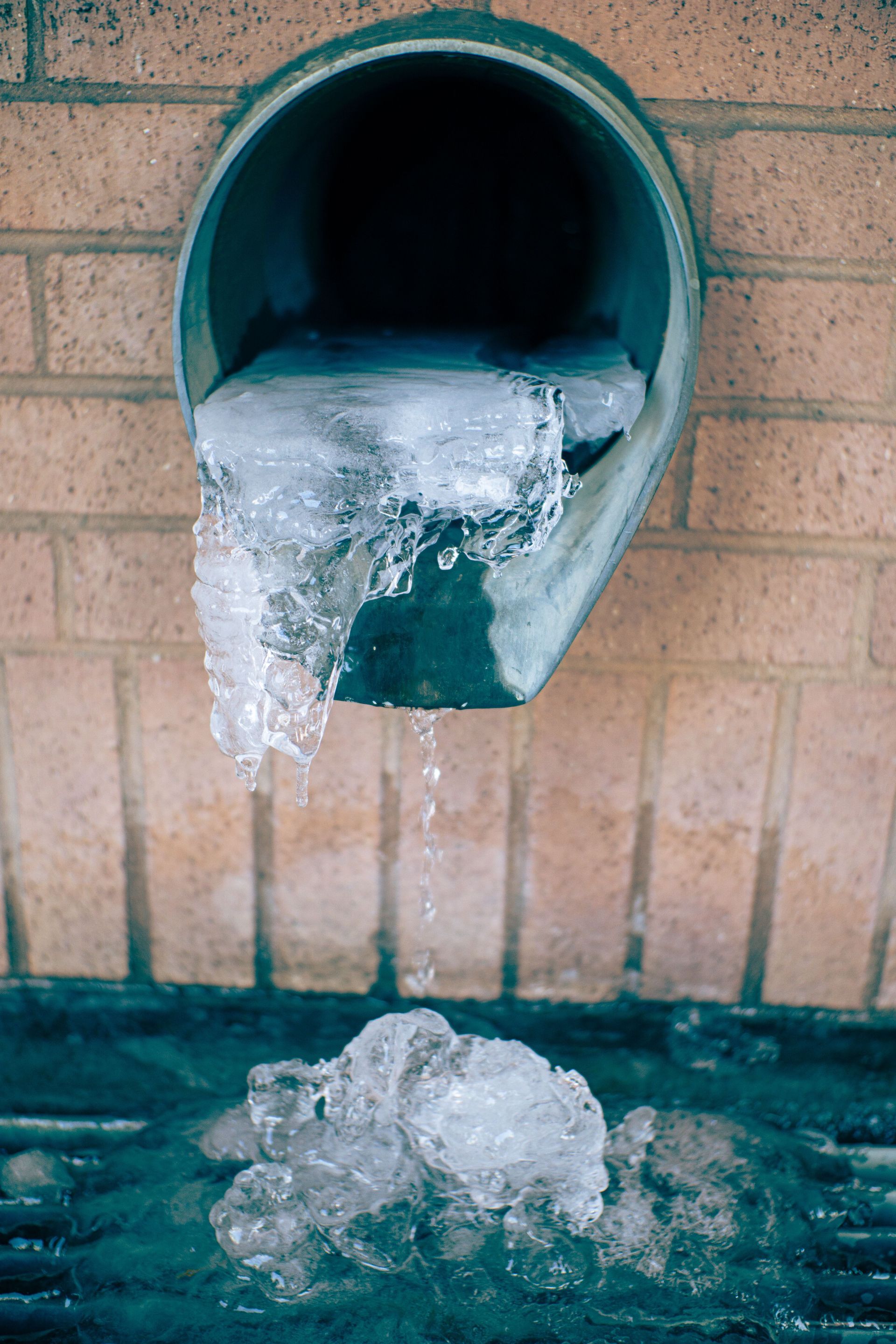
- Visible ice.
- A missing filter or one that will not fit properly.
- Unusual noises or a sudden loss of airflow.
Do not keep running equipment with a collapsing filter or try to reach inside to retrieve pieces. Turn cooling off and contact management for instructions.
A photograph of the accessible filter and surrounding area can help, provided you can take it safely.
How KNR Uses Quarterly Inspections
We document filter condition during quarterly inspections.
That helps us identify concerns, maintain a condition record, and follow up when something needs attention.
However, quarterly inspections are not a substitute for regular filter checks. If your filter needs replacement every 30 to 60 days, it will need attention between our visits.
A calendar reminder is useful. Keeping a spare of the correct filter at home is even better.
Who Pays When There Is an HVAC Problem?
A failed component is not automatically the tenant’s fault. Likewise, a service visit related to neglected tenant maintenance is not automatically an owner expense.
We review the lease, condition records, vendor findings, and work performed.
When the vendor documents that failure to replace a filter caused or contributed to the service required, the related cost may be charged to the tenant as permitted by the lease and applicable law.
Finding a dirty filter does not, by itself, mean every repair or the entire system replacement belongs on the tenant’s bill. The charge needs to be connected to the documented cause and reasonable work required.
Owners remain responsible for equipment maintenance and failures that are their responsibility.
Help Us Before the House Gets Hot
If you do not know the filter size, ask.
If you do not know where it goes, ask.
If the filter compartment is inaccessible or you cannot safely change it, tell us so we can discuss the next steps.
Please do not wait until the AC stops cooling to mention that you have never located the filter.
During peak summer demand, even a dependable HVAC company may have a full schedule. Parts and repair complexity can add delays.
Changing your AC filter is a small job, but it can help you avoid spending several uncomfortable days waiting for a repair during the hottest part of the year.
Frequently Asked Questions
Who changes the AC filter in a KNR rental?
Under KNR’s leases, routine filter replacement is generally the tenant’s responsibility. Follow your individual lease and property instructions.
How often should I replace my filter?
For many conventional filters, KNR recommends approximately every 30 to 60 days, with monthly checks. Specialty systems may have different requirements. Follow the schedule for your equipment and replace a dirty filter sooner when needed.
Does twice-yearly HVAC service cover filter changes for the whole year?
No. Professional servicing and routine filter replacement are different tasks. A resident may need to replace filters several times between service appointments.
Can a dirty filter make the AC stop cooling?
It can restrict airflow and contribute to poor cooling, coil freezing, or shutdown. Other faults can cause similar symptoms, so persistent problems need professional evaluation.
Should I buy the most expensive filter?
Choose the correct filter for the system. Price, thickness, and a higher filtration rating do not automatically make a filter suitable for your equipment.
What if I cannot find the filter size or location?
Check the property information provided by KNR, then contact our team if needed. We can help confirm the correct replacement and location.
Will I be charged for an HVAC service call?
That depends on the cause, vendor documentation, lease, and applicable law. Work resulting from neglected tenant responsibilities may be chargeable; ordinary equipment failures are evaluated differently.
Meet Rebecca and KNR Property Management
I’m Rebecca Johnson, Broker/Owner of KNR Property Management. Our team manages long-term residential rentals throughout Gainesville, North Central Florida, and the Nature Coast.
We believe that taking care of the little things is one of the best ways to take care of a home. Filter changes are a good example: simple, easy to forget, and much more important than they look.
If you live in a KNR-managed property and need help finding the correct filter, contact us before there is a problem. We are happy to explain it.