The Complete Guide to Owning a Florida Rental Property
This is a subtitle for your new post

The Complete Guide to Owning a Florida Rental Property
Owning rental property in Florida can be a great way to build long-term wealth, generate income, and grow a real estate portfolio. It can also come with a leaking pipe at 4:30 on a Friday afternoon, an air conditioner that decides July is the perfect time to stop working, and a turnover that costs more than expected.
That does not mean rental property is a bad investment. It means it needs to be treated like an investment—and investments require planning, maintenance, and realistic expectations.
At KNR Property Management, we work with everything from student rentals and condominiums to single-family homes and small multifamily properties. We also talk with many owners before they purchase, while they are building their portfolios, and sometimes after self-management has become more than they want to handle.
Here is what I believe every owner should understand before purchasing and operating a rental property in Florida.
Start With the Tenant You Are Likely to Attract
Before purchasing a rental property, think beyond the house itself. Consider the type of tenant the property and its location are most likely to attract.
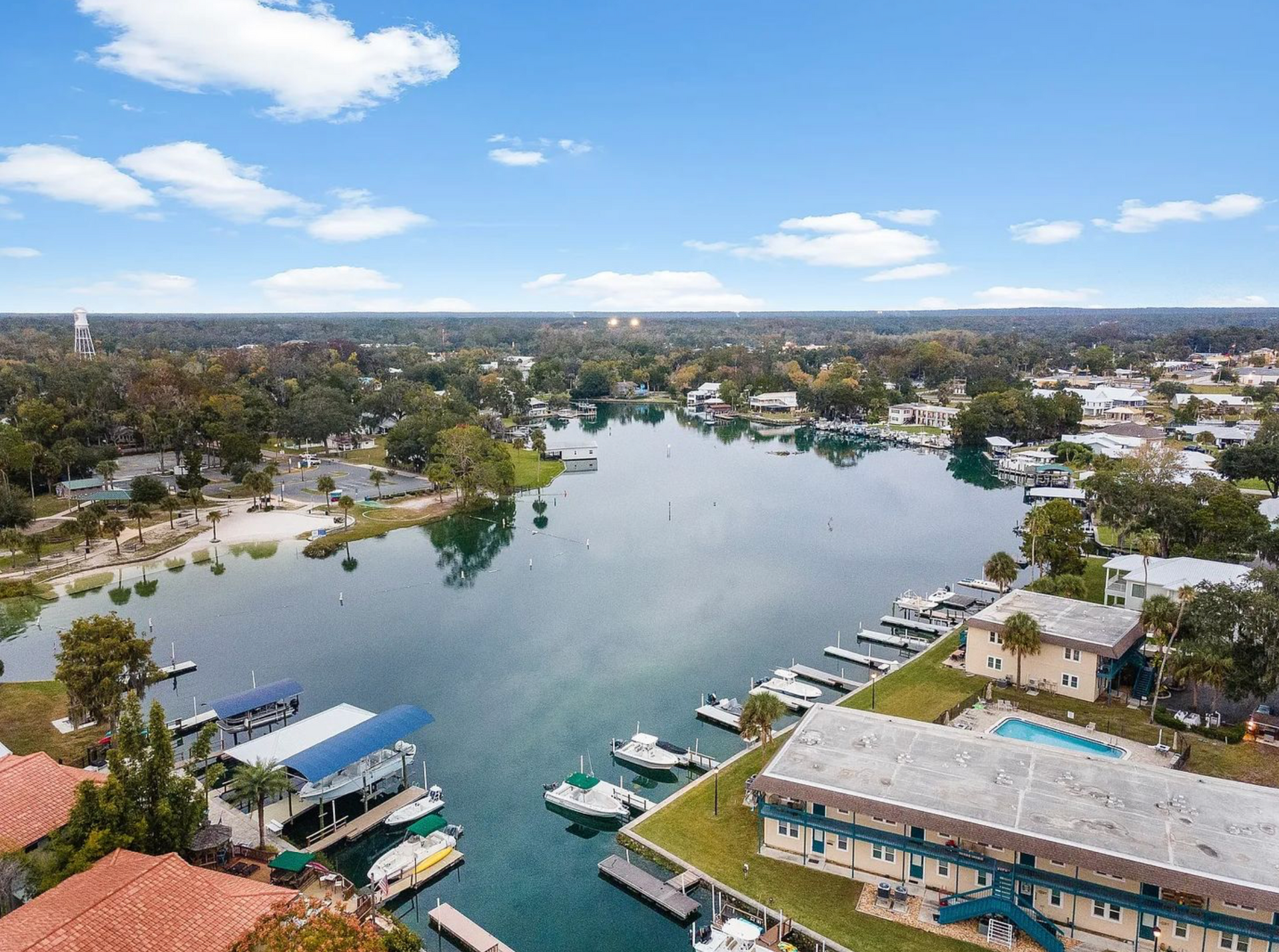
A property near a university will operate differently from a single-family home in a residential neighborhood. A 55-plus community has different expectations from a student townhome. A waterfront property in Crystal River comes with different maintenance concerns than a condominium in Gainesville or a home on acreage outside Williston.
Ask yourself:
- Who is most likely to rent this property?
- What rental rate can that tenant reasonably afford?
- How long are tenants likely to stay?
- Will the property require frequent turnovers?
- What features matter most in that particular market?
- Are there HOA, parking, pet, age, or occupancy restrictions?
A beautiful property can still be a difficult rental if it does not match the needs or budget of the tenants in that area.
Evaluate the Property’s Condition Before You Buy
The purchase price is only one part of the investment. You also need to understand what you are purchasing.
Pay close attention to the age and condition of the major components, including:
- Roof
- HVAC system
- Plumbing
- Electrical system
- Water heater
- Appliances
- Windows and exterior doors
- Well and septic systems, when applicable
- Drainage
- Trees and landscaping
- Flooring
- Exterior siding, stucco, and paint
Plumbing is one of the areas I personally pay close attention to because plumbing problems can create some of the most disruptive and expensive damage.
Find out whether the home has been replumbed and what materials are present. Older cast-iron drain lines can develop corrosion and scaling that contribute to slow drains, recurring clogs, backups, and eventually larger repairs. Supply-line materials, water pressure, previous leaks, and evidence of water damage should also be evaluated.
A home inspection is important, but investors should also think beyond whether something technically works today. An older HVAC system may cool the house during the inspection and still be approaching the end of its useful life. A roof may not currently leak but could affect insurance costs or need replacement sooner than expected.
You need a realistic picture of the improvements that may be required during the first several years of ownership.
The Homes That Taught Me to Look at the Pipes
One of the properties that taught me to pay close attention to plumbing was a beautiful three-bedroom, one-bath home built in the 1940s.
A lovely family moved in and took wonderful care of the property, but the drains kept clogging. We would have them cleared, and before long, it would happen again. We eventually learned that the property owner’s grandmother, from whom she had inherited the home, had experienced similar problems.
The home still had cast-iron drain lines. We worked with the tenant and the property owner to replace the main line with PVC, and the recurring problem went away.
Another property came to us after being self-managed. About a year and a half before we took over, the owner had been told that the main sewer line was cracked. He genuinely believed the repair had been completed and sent us the paperwork with the property records.
When we looked more closely, we noticed that the plumbing receipt was actually marked as an estimate. We contacted the plumbing company and learned that they had provided a quote but had never been authorized to complete the work.
The owner felt terrible. He runs a successful local business and owned approximately 15 other rental properties. This was not someone who did not care about his properties. It was simply something that had fallen through the cracks while he was managing a business and a sizable rental portfolio.
The home had been vacant for several months before we took over. We marketed it, found a tenant, and completed our pre-move-in checks. Everything appeared to be working, but running fixtures during a walkthrough is not the same as having a family living in the home and using the plumbing every day.
Within about three weeks of move-in, the drains began backing up. We had the line scoped, confirmed the problem, and coordinated the repair as quickly as possible.
Both experiences changed how I evaluate older properties. A plumbing system may appear to work during a showing or inspection, but that does not always tell the whole story. If there is a history of repeated clogs, slow drains, backups, or previous sewer-line recommendations, I want to know what is underground—not just whether the toilet flushed when someone walked through the house.
These are the kinds of issues buyers need to investigate before closing whenever possible. You need a realistic picture of the repairs and improvements the property may require during the first several years of ownership.
Location Matters, but Condition Matters Too
Location will always affect how quickly a rental leases and how much rent it can reasonably command. Proximity to schools, employers, shopping, medical facilities, recreation, and major roads all matter.
However, condition is also a huge contributor.
Even in a desirable location, tenants notice worn paint, dirty flooring, overgrown landscaping, damaged blinds, odors, and neglected repairs. A well-maintained property normally photographs better, shows better, attracts stronger applicants, and gives tenants more confidence in the home and its management.
I also believe the condition of a property helps set the tone for how people treat it. When tenants move into a clean, refreshed, well-maintained home, they are more likely to recognize that the property is being cared for and that they are expected to care for it too.
Determine Rent From Leased Properties, Not Wishful Thinking
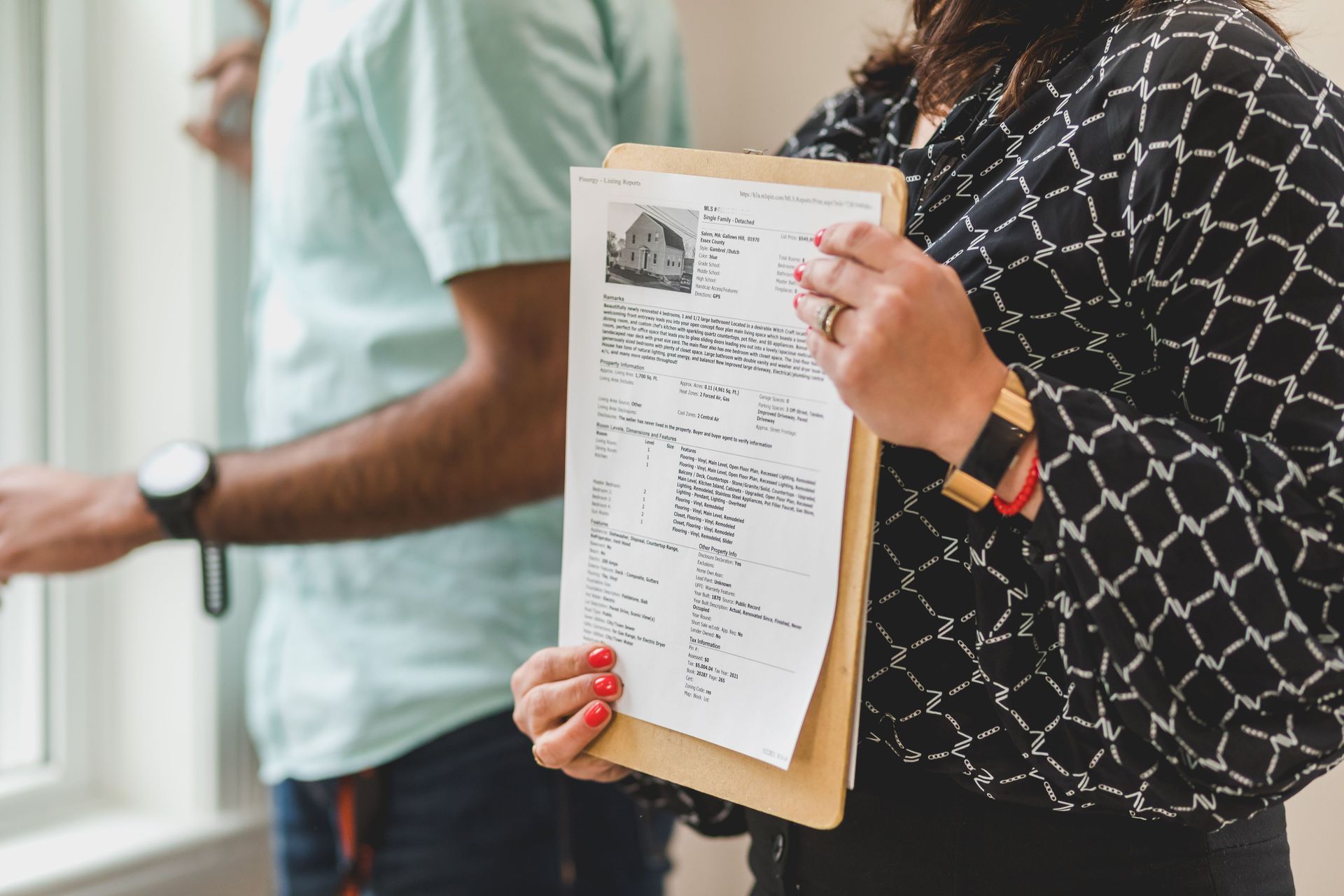
An appropriate rental rate should be based on comparable properties that have actually leased recently—ideally within the previous 90 days.
The comparison should include properties that are similar in:
- Location
- Size
- Bedroom and bathroom count
- Age
- Condition
- Amenities
- Parking
- Pet policies
- Utilities or services included in rent
An advertised rental is not necessarily a useful comparable. It may have been sitting vacant for months because the asking price is too high.
It is also important to compare properties in similar condition. A newly renovated home with updated flooring, fresh paint, and modern appliances is not the same product as a home with worn carpet and an original kitchen, even if they have the same number of bedrooms.
Sometimes the highest possible rent is not the most profitable decision. An extra $100 per month does not help if the property remains vacant for two additional months while waiting for someone to pay it.
Plan for Routine and Unexpected Expenses
One of the biggest surprises for new rental-property owners is that the tenant does not pay for the entire turnover.
Tenants may be charged for damage beyond normal wear and tear, excessive cleaning, missing items, or other lease-related charges when properly documented. They are not responsible for restoring every aging component of the property to brand-new condition.
Owners should expect to have some expenses between tenants. Depending on the property, that may include:
- Painting or touch-up painting
- Professional cleaning
- Carpet cleaning or flooring work
- Landscaping
- Pressure washing
- HVAC servicing
- Rekeying
- Minor plumbing or electrical repairs
- Appliance repairs
- Replacing items that have reached the end of their useful life
- General preventive maintenance
A turnover is not simply a cleaning appointment. It is an opportunity to check the property’s systems, appliances, outlets, plumbing fixtures, doors, locks, smoke alarms, HVAC filters, landscaping, and overall condition before a new tenant takes possession.
At KNR, we generally prefer to allow approximately seven to ten days for a proper turnover when the leasing schedule permits. That gives the vendors and our team time to inspect, repair, clean, paint, and refresh the property instead of rushing everyone through it.
Build Maintenance Into the Investment Plan
There is no single reserve amount that is perfect for every rental property.
The appropriate amount depends on the age and condition of the home, the major systems, and how consistently the owner has handled preventive maintenance. A newer property with updated plumbing, roof, HVAC, and appliances may have different reserve needs from an older home with several major components approaching replacement.
Owners should ask themselves:
- Is the HVAC system serviced regularly?
- Is the property under a termite contract?
- Are the well and septic systems maintained appropriately?
- Are the roof and gutters checked?
- Are trees trimmed away from the structure?
- Is pressure washing handled before buildup becomes more difficult to remove?
- Are small leaks and drainage problems addressed promptly?
Owners frequently remember the mortgage, taxes, insurance, and management fees when calculating cash flow. They are more likely to overlook termite protection, HVAC maintenance, pressure washing, landscaping, routine repairs, appliance replacement, and turnover expenses.
Preventive maintenance does not eliminate every emergency, but it can reduce the number of surprises and help extend the life of the property’s systems.
Florida Properties Require Florida Planning
Florida rental properties face conditions that owners in other parts of the country may not be accustomed to managing.
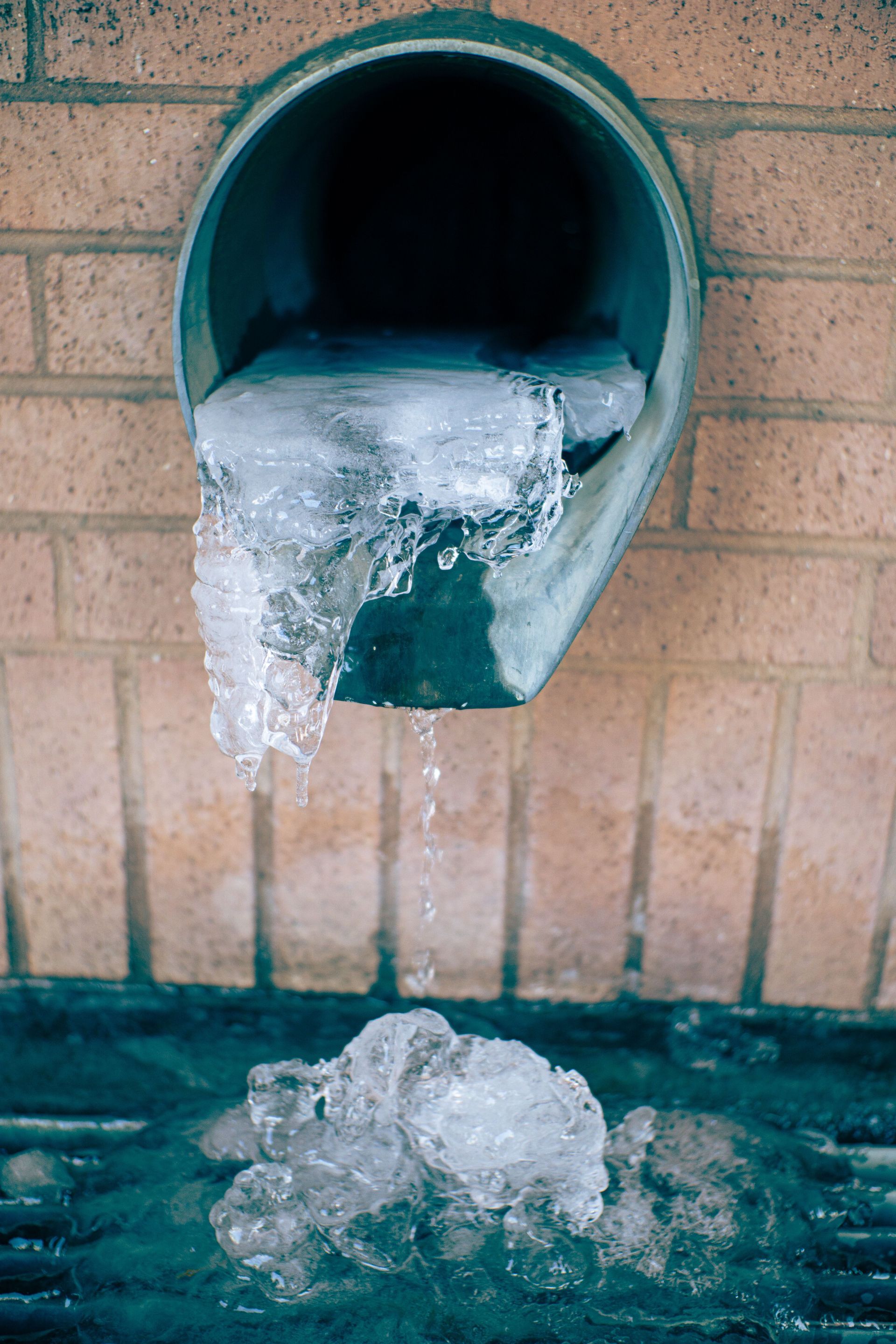
Heat and humidity affect HVAC systems, flooring, paint, caulking, ventilation, and moisture control. Heavy rain can reveal roof, drainage, window, or exterior-door problems very quickly. Hurricanes and tropical weather create concerns involving insurance coverage, trees, fences, power outages, flooding, and emergency communication.
Pests are also part of living in Florida. A termite contract and appropriate preventive pest measures should be considered part of protecting the property, not an optional expense to think about after damage appears.
Owners should understand their insurance coverage, deductibles, flood exposure, and policy requirements before a problem occurs. Standard property insurance and flood insurance are not the same thing, and coverage can vary considerably.
This is also where a reliable property-management team and a strong vendor network make a meaningful difference. When a major problem occurs, owners need people who can respond, evaluate the situation, communicate with the tenant, coordinate the appropriate vendor, and keep the owner informed.
Tenant Screening Is a Business Decision
One of the most common mistakes I see self-managing owners make is allowing emotion to override their written screening criteria.
We understand that people experience hard times. We listen, and we genuinely sympathize. However, a property manager is hired to help protect the owner and apply consistent qualification standards.
Applicants may have an explanation for poor credit, unpaid rental balances, prior evictions, insufficient income, or an unfavorable rental history. Some explanations may be completely understandable on a personal level, but that does not automatically make the applicant a good fit for a particular property.
Screening standards should be written, lawful, consistent, and applied fairly. Decisions should be based on verified information rather than pressure, promises, or a compelling story.
One of the hardest parts of property management is telling someone no. It is also part of the responsibility an owner has hired us to carry.
Understand the Rental Cycle
Owning a rental property involves more than finding a tenant and receiving monthly rent.
Leasing
The property must be evaluated, priced, prepared, photographed, advertised, shown, and leased. Applications must be processed, qualifications verified, and documents completed.
Occupancy
During the lease, rent must be collected, accounting maintained, maintenance requests evaluated, vendors coordinated, lease requirements enforced, and larger repairs communicated to the owner.
The quieter months may look simple from the outside, but good management often means preventing small issues from becoming major ones.
Renewal
Approximately 60 to 90 days before the lease ends, we begin reviewing the market and preparing for the next leasing decision. We provide the owner with a comparative market analysis and discuss the property’s condition, current rent, market demand, and recommended renewal terms.
We then work with the existing tenant on a renewal or begin preparing to market the property for a new resident.
Turnover
After move-out, the property must be inspected and compared with its documented move-in condition. Tenant-responsible damage is separated from normal wear, aging, owner maintenance, and capital improvements.
The goal is to address necessary work properly and prepare the property for the next tenant—not to send every turnover expense to the departing resident.
Can You Manage the Property Yourself?
Some owners can successfully self-manage, especially if they live nearby, understand Florida landlord-tenant requirements, have reliable vendors, maintain strong documentation, and are comfortable handling difficult conversations.
However, many of the properties we take over come to us after self-management has already created a problem.
The issue may involve unpaid rent, incomplete screening, a lease that does not adequately address the situation, deferred maintenance, poor documentation, inconsistent communication, or an owner who is simply tired of being on call.
Ideally, an owner speaks with property managers before closing on the property. A local manager can often provide valuable insight into realistic rent, tenant demand, property condition, maintenance concerns, leasing patterns, and features that may help or hurt the investment.
You do not have to wait for something to go wrong before asking for professional guidance.
Choose the Right Property Manager, Not Simply the Cheapest One
My best advice for someone purchasing a Florida rental is to speak with several local property-management companies.
Ask questions. Pay attention to how they communicate. Find out how well they understand the specific neighborhood, property type, and tenant pool. Ask how they handle inspections, maintenance, emergencies, renewals, turnovers, and owner communication.
Then choose the company you believe will take the best care of the asset—not necessarily the one with the lowest fee or the best sales pitch.
KNR Property Management is not the cheapest option in every market, and we do not try to be. Our goal is to understand the property, keep it leased, help protect its condition, and give owners honest information about rent, repairs, expenses, and changing market conditions.
We frequently discuss investment opportunities and market trends with our owners. We help them evaluate potential purchases, expand their portfolios, and make decisions that support the long-term health of their assets.
A rental property is more than a monthly rent payment. It is a valuable asset, and it deserves to be managed that way.
Frequently Asked Questions About Owning a Florida Rental Property
Is owning a rental property in Florida profitable?
It can be, but profitability depends on the purchase price, financing, rent, vacancy, insurance, taxes, maintenance, management, and long-term capital expenses. Owners should calculate more than the expected monthly rent before purchasing.
How much should a Florida rental-property owner budget for maintenance?
There is no single amount that works for every property. The home’s age, condition, major systems, maintenance history, and property type should all be considered. Owners should maintain accessible reserves for routine repairs and unexpected problems.
Does the tenant pay for all repairs and turnover expenses?
No. Tenants may be responsible for documented damage beyond normal wear and tear or other charges permitted by the lease and applicable law. Owners remain responsible for ordinary maintenance, aging components, normal wear, and preparing the property for continued use.
How is the rental rate for a Florida property determined?
The strongest starting point is comparable properties in similar condition that have actually leased recently, preferably within the previous 90 days. Active listings can provide additional context but do not prove what tenants are willing to pay.
Should I hire a property manager before purchasing a rental?
Speaking with local property managers before purchasing can help you understand likely rent, tenant demand, maintenance concerns, leasing patterns, and operating expenses. That information may help you make a better-informed investment decision.
What should I look for in a Florida property-management company?
Look for local market knowledge, clear communication, consistent screening practices, dependable maintenance systems, strong documentation, transparent fees, and a team that treats the property as a long-term asset rather than simply another address.
Talk With KNR Property Management
KNR Property Management serves rental-property owners throughout Gainesville, Alachua County, North Central Florida, Ocala and Marion County, Williston, and the Citrus County and Nature Coast communities.
Whether you are considering your first rental, purchasing another property, or deciding whether it is time to stop self-managing, we are happy to talk through the property, the market, and what ownership may realistically look like.
We believe good property management is about more than collecting rent. It is about helping owners protect, operate, and grow their investments.