How Often Should a Rental Property Be Inspected?
This is a subtitle for your new post

How Often Should a Rental Property Be Inspected?
One of the most common complaints I hear from rental-property owners looking for a new property-management company is surprisingly simple:
“My property was never inspected.”
Sometimes the owner has gone years without seeing current photos of the home. They do not know how the tenant is caring for it, whether small maintenance concerns are developing, or whether the property still looks the way they remember it.
That has never sat well with me.
A rental property is a significant investment. Handing over the keys should not mean losing sight of its condition until the tenant moves out.
At KNR Property Management, we conduct routine inspections every quarter. For most professionally managed rental properties, I believe inspecting approximately four times per year provides the right balance. It allows us to stay familiar with the property and catch developing concerns without unnecessarily disrupting the tenant’s enjoyment of their home.
How Often Should a Landlord Inspect a Rental Property?
There is not one inspection schedule that is right for every property. The ideal frequency can depend on the age and condition of the home, the terms of the lease, local requirements, and whether there have been previous maintenance or tenancy concerns.
As a general property-management practice, I recommend inspecting a rental property quarterly.
Once or twice a year may be appropriate in some situations, but a lot can change in six or twelve months. A slow leak, an air-conditioning problem, excessive moisture, or an unreported maintenance issue can become significantly more expensive when no one sees it early.
Quarterly inspections give us four opportunities each year to:
- Document the current condition of the property.
- Identify maintenance concerns before they become emergencies.
- Confirm that the home is being cared for appropriately.
- Talk with tenants about anything they may not have reported.
- Recommend future improvements to the property owner.
- Create a reliable photographic history of the home.
The goal is not to look for reasons to get a tenant in trouble. The goal is to protect the property, communicate with the resident, and prevent manageable concerns from becoming expensive problems.
How KNR Organizes Quarterly Property Inspections
Managing hundreds of homes and student bedrooms requires a system.
We divide our portfolio geographically into quadrants based on property addresses. Each month, our inspection team focuses on a different area. When a property’s quadrant comes up in the rotation, we schedule its quarterly inspection.
This allows our team to move through Gainesville and the surrounding communities efficiently while keeping each property on a consistent schedule.
During an inspection, we take photos of what I call the good, the bad, and the ugly.
If the tenant is keeping the home beautifully, we want the owner to see that. If there is normal wear and tear, we document it. If we notice damage, excessive clutter, an unauthorized animal, unsanitary living conditions, or another concern, we document that as well.
Owners should not only hear from their property manager when something has gone wrong. They should have an ongoing, accurate understanding of how their property is doing.
What Do We Look for During a Rental Property Inspection?
A routine inspection is different from a formal home inspection performed during a real-estate transaction. We are not opening walls or providing an engineering report.
We are performing a visual review of the accessible areas of the home and looking for signs that something may require additional attention.
Depending on the property, we may look at:
- The general cleanliness and condition of the home.
- Visible plumbing leaks or moisture.
- Water staining around ceilings, cabinets, sinks, tubs, and toilets.
- The condition of the air-conditioning system and filter.
- Signs of a clogged or slow HVAC drain line.
- Smoke detectors and other visible safety concerns.
- Doors, windows, walls, flooring, and fixtures.
- The condition of appliances.
- Exterior maintenance concerns.
- Excessive clutter or possible hoarding conditions.
- Unauthorized occupants or animals.
- Maintenance concerns the tenant has not yet reported.
- Improvements that could strengthen the property’s rental value.
We also photograph the property so there is a time-stamped record of what we observed.
Those photos are helpful in several ways. They allow the owner to see the condition of the home, help our maintenance team understand a reported problem, and provide a documented history that can be referenced later.
Early Detection Can Prevent Expensive Repairs
Some of the most valuable things we find during inspections do not look dramatic yet.
That is exactly the point.
For example, a tenant may mention that the air conditioner is still cooling, but it does not seem to be working quite as well as it normally does. That gives us the opportunity to check for an obvious issue, make sure the filter is not severely clogged, and determine whether the drain line may need attention.
A partially blocked HVAC drain line can sometimes be addressed before it backs up, shuts down the system, or causes water to overflow into the home.
We have also found water heaters with small amounts of water beginning to pool around them. The heater had not completely failed, and the tenant may not have considered it an emergency. However, catching that moisture early gave us an opportunity to investigate and make a repair before the owner was dealing with a major leak and possible damage to flooring, drywall, or surrounding belongings.
Small issues do not always stay small.
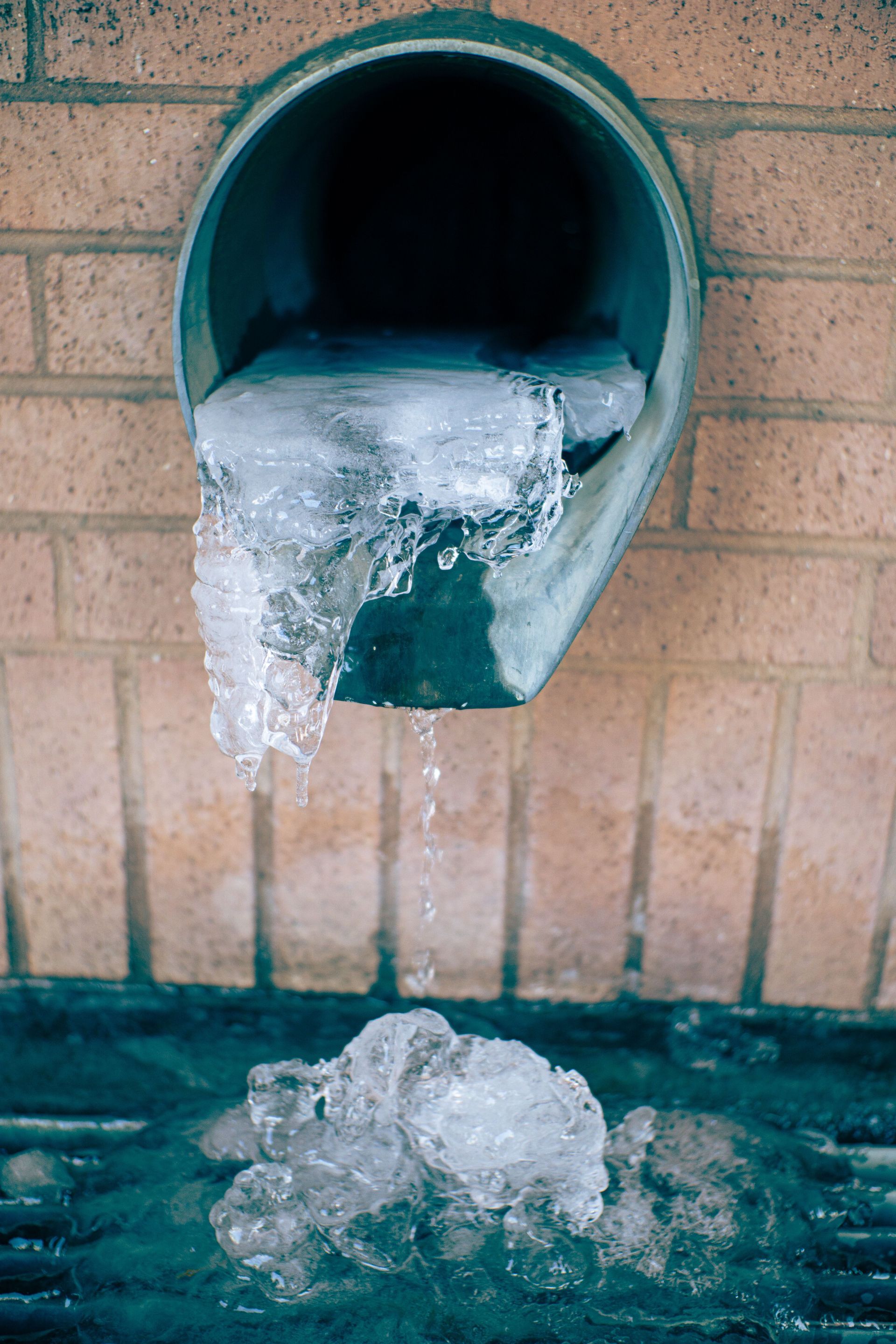
A slow drip under a sink can damage a cabinet. A minor roof stain can be the first indication of a developing leak. A loose toilet can eventually affect the flooring underneath it. Excessive moisture can lead to conditions that are much more difficult and expensive to correct.
Quarterly inspections help us find the warning signs.
Tenants Do Not Always Report Maintenance Problems
Most tenants want to take good care of their homes, but not every tenant knows what should be reported.
Some residents assume a small leak is not important. Others become accustomed to an appliance that is not functioning correctly. A tenant may not know that condensation, discoloration, a running toilet, or a change in the way the HVAC system sounds could indicate a larger issue.
Many of our tenants are home during their inspections, which gives us a valuable opportunity to talk with them.
We can ask whether everything is working properly and remind them how to submit a maintenance request. We can explain that reporting a concern early is not an inconvenience to us. In fact, we would much rather address something while it is manageable.
That early communication is good for the tenant, the owner, and the property.
The tenant receives a quicker solution. The owner may avoid a larger repair. Our team can coordinate the work in an organized way instead of responding after the problem has become an emergency.
Rental Inspections Should Not Feel Like an Ambush
Tenants have a right to feel comfortable in the home they are renting. Routine inspections should be handled professionally, respectfully, and in accordance with the lease and applicable law.
Florida law permits a landlord to enter a dwelling from time to time for purposes that include inspecting the premises. It also states that the right of access may not be abused or used to harass a tenant. Florida’s statute specifically defines at least 24 hours as reasonable notice for entry for repairs, although the precise circumstances surrounding inspections and entry should always be evaluated carefully.
At KNR, we ordinarily provide advance notice and communicate the inspection window so residents know when to expect us.
Whenever possible, we explain why we are coming and what the inspection will include. We are not there to search through anyone’s personal belongings. We are there to visually review the condition of the property, document what we see, and identify maintenance needs.
A good inspection program protects the property without forgetting that the property is also someone’s home.
Inspections Help Owners Plan Capital Improvements
Inspections are not only about finding damage or repairs.
They also help us recognize opportunities.
We may notice that flooring is approaching the end of its useful life, that an older fixture is making the property look dated, or that a particular improvement could help the home compete more effectively with nearby rentals.
If we identify that opportunity while the tenant is still living in the home, we can discuss it with the owner before the lease ends.
That advance notice matters.
Instead of discovering everything after move-out, we may be able to:
- Obtain the owner’s approval in advance.
- Gather estimates.
- Order materials.
- Reserve the appropriate vendors.
- Plan the work around the expected turnover.
- Reduce the number of days the property sits vacant.
- Prepare the home for stronger marketing and potentially higher rent.
Turnover periods are already busy. The more we can plan before the keys are returned, the better positioned we are to complete the work efficiently.
Documentation Protects Everyone
Memories are not always reliable, particularly when several years have passed between move-in and move-out.
Photographic inspection records create a clearer timeline.
They can help show whether a condition was present previously, whether it became worse over time, whether a repair was completed, and how the property was generally maintained during the tenancy.
That documentation is helpful for property owners, but it can also be helpful for responsible tenants. When a resident is taking excellent care of a property, our inspection photos reflect that too.
We are not only documenting problems. We are documenting stewardship.
Can a Property Be Inspected Too Often?
Yes.
Routine inspections should have a legitimate property-management purpose. Visiting a home constantly, providing inadequate communication, or using inspections to pressure a tenant can damage the landlord-tenant relationship and may create legal concerns.
More inspections are not automatically better inspections.
The right schedule should provide meaningful oversight while respecting the resident’s privacy and use of the home. For our portfolio, quarterly inspections have allowed us to stay informed without turning routine oversight into a constant intrusion.
There may also be circumstances when an additional inspection is appropriate, such as:
- Following up after a substantial repair.
- Confirming that a leak or moisture issue has been resolved.
- Rechecking a documented lease concern.
- Inspecting after a major storm.
- Evaluating a property before renewal or turnover.
- Checking a vacant property.
Those visits should still be purposeful, documented, and properly communicated.
What Happens After the Inspection?
An inspection has little value when the information is never reviewed or acted upon.
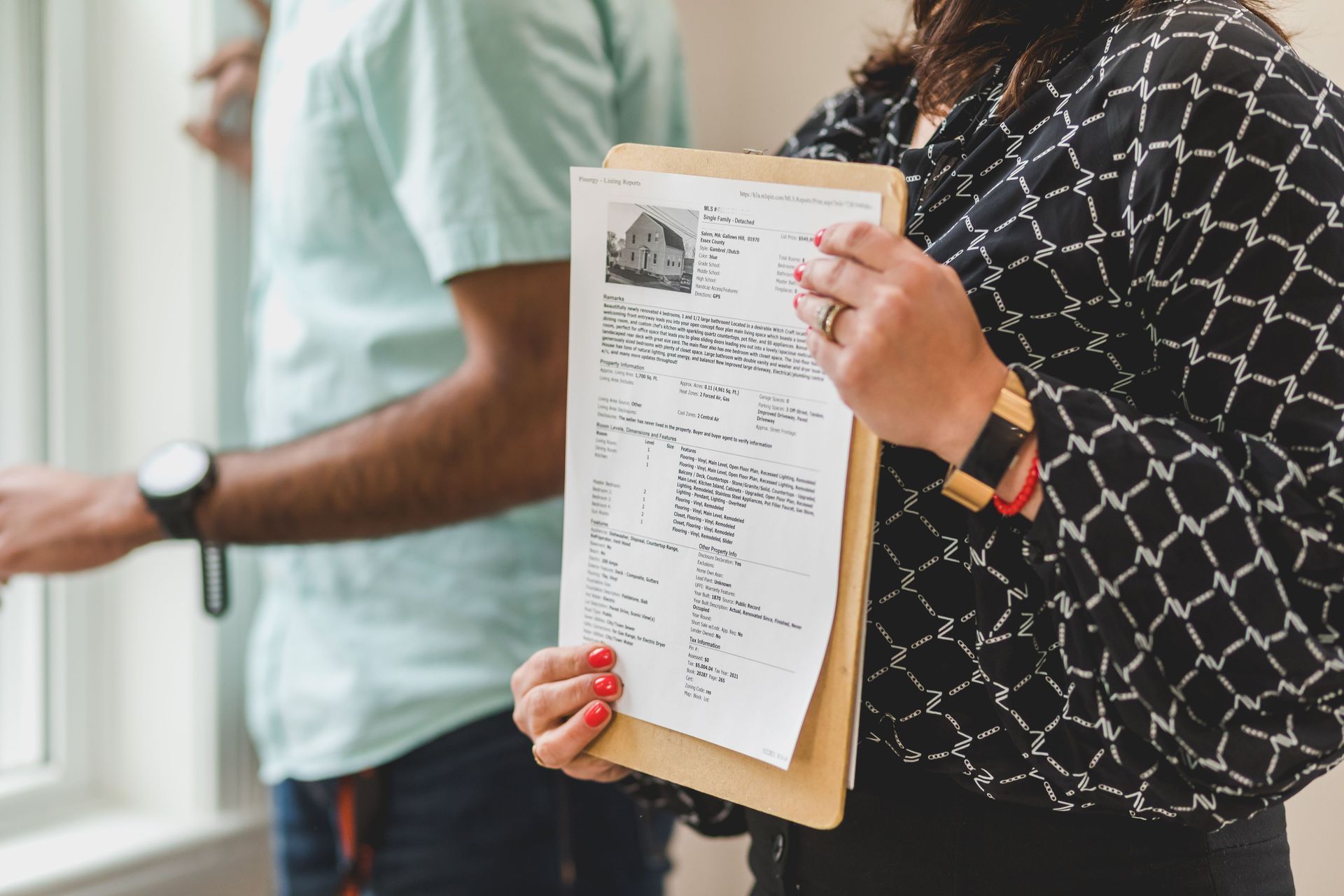
After we inspect a property, our team organizes the photos and documents any concerns we observed. Maintenance items can be submitted for review and coordination. Lease concerns can be addressed through the appropriate process. Recommendations can be shared with the owner.
Not every observation requires immediate work.
Some items need prompt attention. Others can be monitored. Certain cosmetic improvements may make more sense during the next turnover. Part of professional property management is helping an owner distinguish between those categories.
The inspection gives us the information needed to make that decision.
Why Quarterly Inspections Matter to Me
I developed our quarterly inspection process because I never wanted a KNR owner to feel like no one was watching over their investment.
Property management cannot be done entirely from behind a desk.
Reports, rent collection, leasing, and accounting are all important, but someone still needs to walk through the property, look under the sinks, notice the water heater, listen to the tenant, and see how the home is holding up.
We care about our properties, but we also care about the people living in them.
A well-maintained home creates a better experience for the tenant. A tenant who feels comfortable reporting problems gives us a better opportunity to protect the owner. An informed owner can make better financial decisions about repairs, improvements, and future leasing.
Those things are connected.
Our inspections are not about expecting the worst. They are about staying involved enough to address the small things, recognize the good things, and prepare for what comes next.
Frequently Asked Questions About Rental Property Inspections
Is a landlord required to inspect a rental property quarterly?
Quarterly inspections are generally a management practice rather than a universal legal requirement. The inspection schedule should be supported by the lease and conducted in accordance with applicable landlord-tenant laws.
Should a rental property be inspected every three months?
For many professionally managed homes, an inspection approximately every three months provides useful oversight. The appropriate frequency may vary depending on the property’s age, condition, tenancy history, and maintenance needs.
Does the tenant need to be home during an inspection?
Usually, the tenant does not need to be home when proper access has been arranged in accordance with the lease and applicable law. Some tenants prefer to be present, and their presence can provide an opportunity to discuss maintenance concerns directly.
What is the difference between an inspection and a maintenance visit?
An inspection is a broader visual review of the property’s condition. A maintenance visit is normally focused on diagnosing or completing a specific repair. An inspection may result in separate maintenance visits if concerns are discovered.
Can a landlord take photos during a rental inspection?
Property managers commonly use photographs to document the condition of the rental property. Photos should focus on the home and relevant property conditions, not unnecessarily intrude on a tenant’s personal privacy.
What should an owner receive after a property inspection?
At a minimum, an owner should be able to receive a meaningful update concerning the property’s condition, identified maintenance concerns, lease issues requiring attention, and any recommended repairs or improvements. Photographic documentation is especially valuable.
Looking for More Oversight of Your Gainesville Rental Property?
When you hire a property manager, you should not have to wonder what your home looks like or whether anyone is paying attention.
At KNR Property Management, our quarterly inspections are one part of how we care for rental homes throughout Gainesville and the surrounding North Central Florida communities. We combine regular property oversight with tenant communication, maintenance coordination, leasing, and practical recommendations for owners.
Your property should be more than an address in a software system. Someone should know it, inspect it, document it, and help you plan for its future.
That is the kind of property management we work to provide.