AC Not Cooling? What Florida Residents and Owners Should Know Before Assuming the System Failed
This is a subtitle for your new post
There are few things that get a Florida resident’s attention faster than an air conditioner that stops cooling in July.
We understand. The house gets uncomfortable, everyone gets frustrated, and suddenly the thermostat becomes the most closely watched object in the room.
At KNR Property Management, we receive plenty of requests that simply say, “AC not working.”
That tells us there is a problem, but it does not give us much information to help solve it.
Sometimes the system needs a significant repair. Sometimes a clogged drain line has activated a safety shutoff. Sometimes the thermostat settings changed. And occasionally, the technician arrives to find a tripped breaker.
Before assuming the entire system has failed, we need to determine what is actually happening.
A Clogged Drain Line Is a Common Culprit
One of the most common AC problems we encounter is a clogged condensate drain line.
During cooling, the system removes moisture from the air. That water needs somewhere to go. If the drain becomes blocked, water can back up, and a safety switch on some systems may shut the equipment down to help prevent damage.
To the resident, it may look as though the AC suddenly died.
That is why routine drain maintenance matters. Where the HVAC vendor recommends it, KNR provides instructions for periodic treatment, which may include an approved amount of distilled white vinegar through the designated access point.
Ask us before attempting it if you have not been shown where or how.
Do not pour anything into an unidentified pipe, mix chemicals, bypass a safety switch, or attempt to clear an active blockage yourself.
Start With a Few Safe Observations
You do not need to become an HVAC technician before submitting a work order. A few basic observations can help us send useful information to the vendor.
Check the Thermostat
Is it set to cooling? Is the selected temperature below the actual room temperature? Is the screen blank or displaying a battery warning?
We have seen accidental schedules, unexpected program changes, and dead batteries cause confusion.
If the thermostat uses user-replaceable batteries, follow its instructions. If you are unsure, send us a photograph rather than removing wiring or taking it apart.
Turning the setting down repeatedly will not make a malfunctioning system repair itself.
Check the Filter
Look at the accessible filter and confirm that it is the correct size, properly installed, and not heavily clogged.
If it is wet, collapsing, or being pulled into the equipment, stop and contact management. Do not reach inside the system.
Our separate filter-maintenance article explains replacement schedules and how KNR helps residents identify the right filter.
Observe the Breaker Safely
If your electrical panel is safely accessible, dry, and undamaged, you can note whether the labeled HVAC breaker appears tripped and report that information.
Do not remove the panel cover or touch wiring. Ask management for guidance before resetting an unfamiliar breaker, and never repeatedly reset one that trips again.
A breaker may have tripped because of an underlying fault that needs professional attention.
Tell Us What You Notice
Without opening equipment or reaching inside, note whether:
- Air is coming from the indoor vents.
- The air feels cool or warm.
- The outdoor unit appears to be operating.
- There are unusual sounds.
- You see water or ice.
These are observations, not a diagnosis. They help the vendor understand the symptoms.
A Breaker Story From the Field
We once received an AC complaint from a resident who believed the home had an electrical problem.
We asked about the breaker, but the resident remained concerned that something more extensive was happening. We arranged an HVAC visit and, because of the reported electrical concerns, an electrician as well.
The HVAC technician found that the breaker had tripped and restored it. The electrician also checked the reported concern and documented that no additional electrical problem was found during that visit.
The point is not that residents should diagnose electrical faults. It is that accurately describing what has been checked—and what has not—helps avoid confusion and unnecessary appointments.
See Ice or Leaking Water? Turn Cooling Off
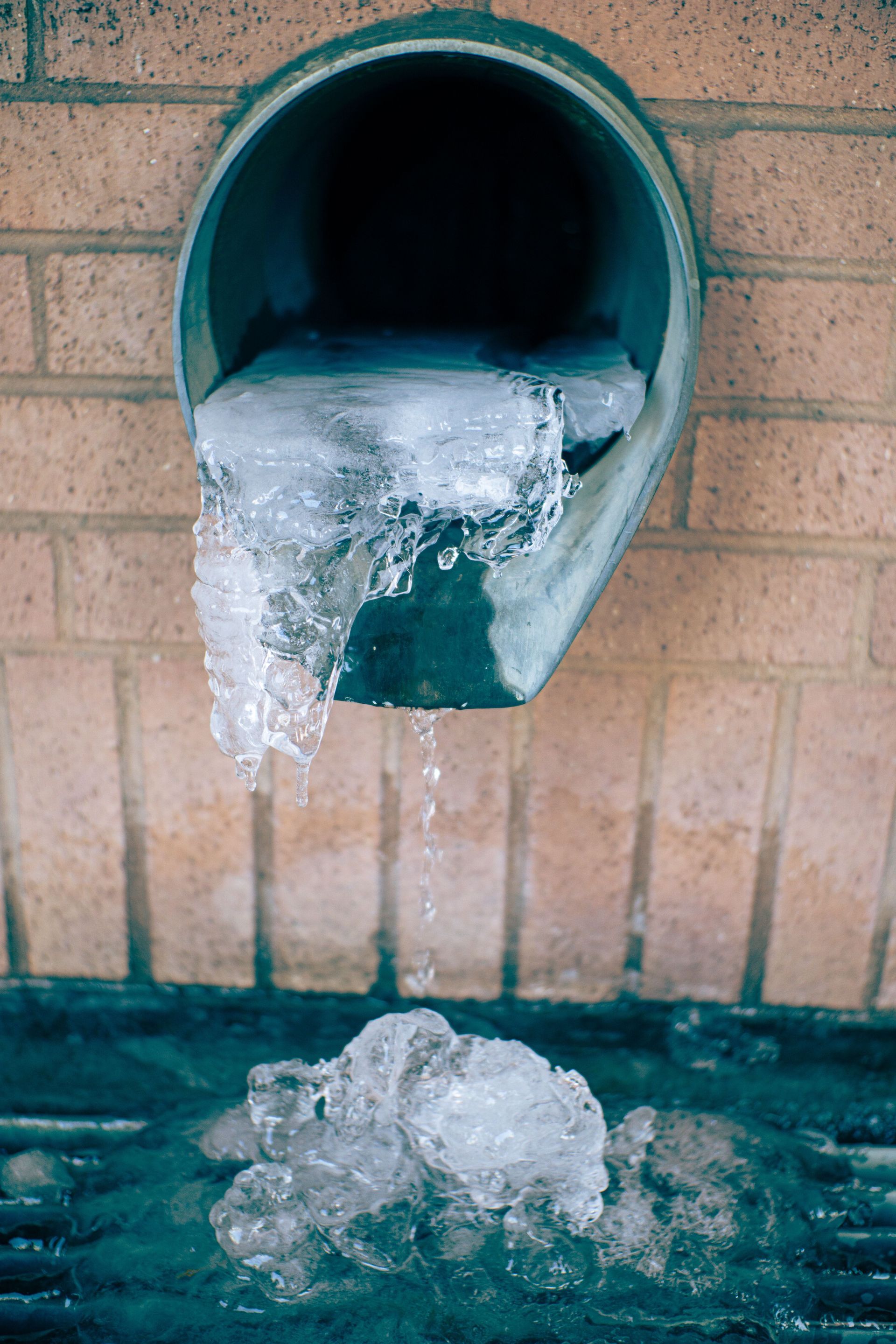
If you see ice on the equipment, significant leaking, or a soaked filter, turn cooling off at the thermostat if you can safely reach it and contact management.
Do not chip away ice, open equipment panels, or keep restarting the system to see whether it improves.
If water is near electrical components, stay clear and report the hazard. Do not stand in water to reach a switch or breaker.
Smoke, sparking, or an immediate fire hazard requires emergency assistance.
Please Leave Thermostat Installation to a Professional
Replacing a thermostat can look simple in an online video. Unfortunately, a wiring mistake can damage components or leave the system unable to operate.
We have had residents attempt smart-thermostat installations and blow a fuse.
KNR requires advance authorization and professional installation for thermostat changes. Do not replace, rewire, or modify HVAC equipment yourself.
The same applies to refrigerant, capacitors, motors, electrical connections, drain repairs, and other work inside the system.
What to Put in Your Maintenance Request
A useful request might say:
“The thermostat is set to 74, but the home is 82 and rising. It stopped cooling around 2 p.m. Air is coming from the vents but feels warm. The outdoor unit does not appear to be running. I do not see water or ice. I attached a thermostat photo.”
Include:
- Your thermostat setting and actual indoor temperature.
- When the problem began.
- Whether the temperature is rising.
- Whether air is coming from the vents.
- Any water, ice, unusual noise, or odor.
- What you have safely checked.
- Photographs of accessible areas.
- Your availability and current contact information.
If heat presents a particular safety concern for someone in the household, tell us promptly so we can assess the situation appropriately.
Do not delay reporting a problem because you cannot answer every question.
What Happens After KNR Receives the Request?
We review the information and check the owner’s designated HVAC vendor before assigning the work.
The vendor contacts the resident to arrange access, evaluates the equipment, and tells us what was found. If additional work, parts, or replacement is needed, we coordinate the next steps and owner communication.
Residents can help by responding to scheduling calls and making the property accessible for the appointment.
KNR coordinates and follows up. The HVAC company controls its technician schedule, and manufacturers and suppliers control parts availability.
We work with vendors who try to accommodate urgent needs and cancellations, but we cannot promise an arrival time before the vendor confirms it.
Why Summer Repairs Sometimes Take Longer
During peak summer demand, many households need service at the same time.
Technician availability, diagnosis, parts, warranty processing, and the scope of the repair can all affect completion time.
That does not make a hot home less frustrating. It does mean that repeated calls cannot manufacture an unavailable part or make a technician safely complete two appointments at once.
Our responsibility is to keep coordinating, communicate the information we receive, and work toward a resolution.
If your circumstances change while you wait—particularly rising indoor temperatures, water damage, or a safety concern—update us.
What Can Residents Do While Waiting?
KNR has portable AC units that we can loan when available and suitable for the circumstances. Availability is limited, especially when several properties experience problems at once.
Let us know if you need one, but do not assume one has been reserved until we confirm it.
Close blinds against direct sun, reduce oven use, and avoid adding unnecessary heat inside. Fans may improve comfort in some conditions, but they are not a substitute for a safe indoor temperature.
If the home becomes dangerously hot, arrange access to an air-conditioned location rather than waiting inside for the appointment. Follow medical advice for anyone with increased heat sensitivity.
Call 911 for suspected heat stroke or another medical emergency.
Is an AC Outage an After-Hours Emergency?
Report the failure promptly and follow KNR’s current after-hours instructions.
Not every cooling problem requires an overnight technician, but it is also not accurate to dismiss every outage as “not an emergency under Florida law.”
Indoor conditions, active leaks, electrical hazards, weather, and household safety concerns all affect the response. Lease requirements and applicable law also matter.
A routine loss of cooling, water pouring from the equipment, and a person experiencing heat illness are different situations.
Give us enough information to understand which situation you are facing.
Repair or Replace? Owners Need a Diagnosis First
An AC that stops cooling does not automatically need replacement.
The vendor’s findings should guide the discussion: What failed? What repair is proposed? Are parts available? What is the equipment’s condition, age, and repair history?
At KNR, we obtain the vendor’s recommendations and quotes and connect the owner with the technician when technical questions need answering.
We once managed a property with an approximately 28-year-old system that ultimately needed replacement. That is a very different discussion from a newer system with a clogged drain or a replaceable component.
Age informs the decision, but it does not replace a diagnosis. Neither does repeatedly paying for a temporary fix without understanding the underlying problem.
Keep Cooling and Humidity Concerns Connected
Florida’s humidity is another reason to keep the system maintained and operating according to the property’s instructions.
Do not shut it off for an extended summer absence without an approved moisture-control plan.
However, dampness, recurring condensation, or visible growth should be reported rather than automatically blamed on a thermostat setting. Our separate humidity article explains how KNR evaluates those concerns.
Frequently Asked Questions
Can a clogged drain line stop the AC?
Yes. On systems with a condensate safety switch, backed-up water may trigger a shutdown. A professional should evaluate an active blockage or recurring problem.
Should I add vinegar to the drain line?
Only when your property’s HVAC professional or management has provided instructions for that system and shown you the correct access point. Do not improvise or mix products.
Should I keep resetting the breaker?
No. Report a tripped breaker and follow management’s guidance. Repeated tripping can indicate a fault requiring professional attention.
What should I do if I see ice?
Turn cooling off if safe and contact management. Do not chip off the ice or attempt repairs.
Will KNR provide a portable AC?
We are happy to loan an available unit when appropriate. The supply is limited, so availability must be confirmed.
Can I install my own smart thermostat?
Not without prior authorization and professional installation. Incorrect wiring can damage the equipment.
Does poor cooling mean the system needs replacement?
No. Thermostat issues, airflow restrictions, drainage problems, electrical faults, and component failures can produce similar symptoms. Diagnosis comes first.
Meet Rebecca and KNR Property Management
I’m Rebecca Johnson, Broker/Owner of KNR Property Management. Our team manages long-term residential rentals throughout Gainesville, North Central Florida, and the Nature Coast.
We understand that losing AC in Florida is uncomfortable. We also know that useful information, regular maintenance, and a dependable vendor make the repair process much more manageable.
Before we assume the entire AC needs replacing, we need to find out why it stopped cooling.
And if you are unsure what to check, ask us. We would rather answer a question than have someone attempt a repair they should not be doing.