
Why Is My Florida Rental Property Sitting Vacant? | KNR
This is a subtitle for your new post
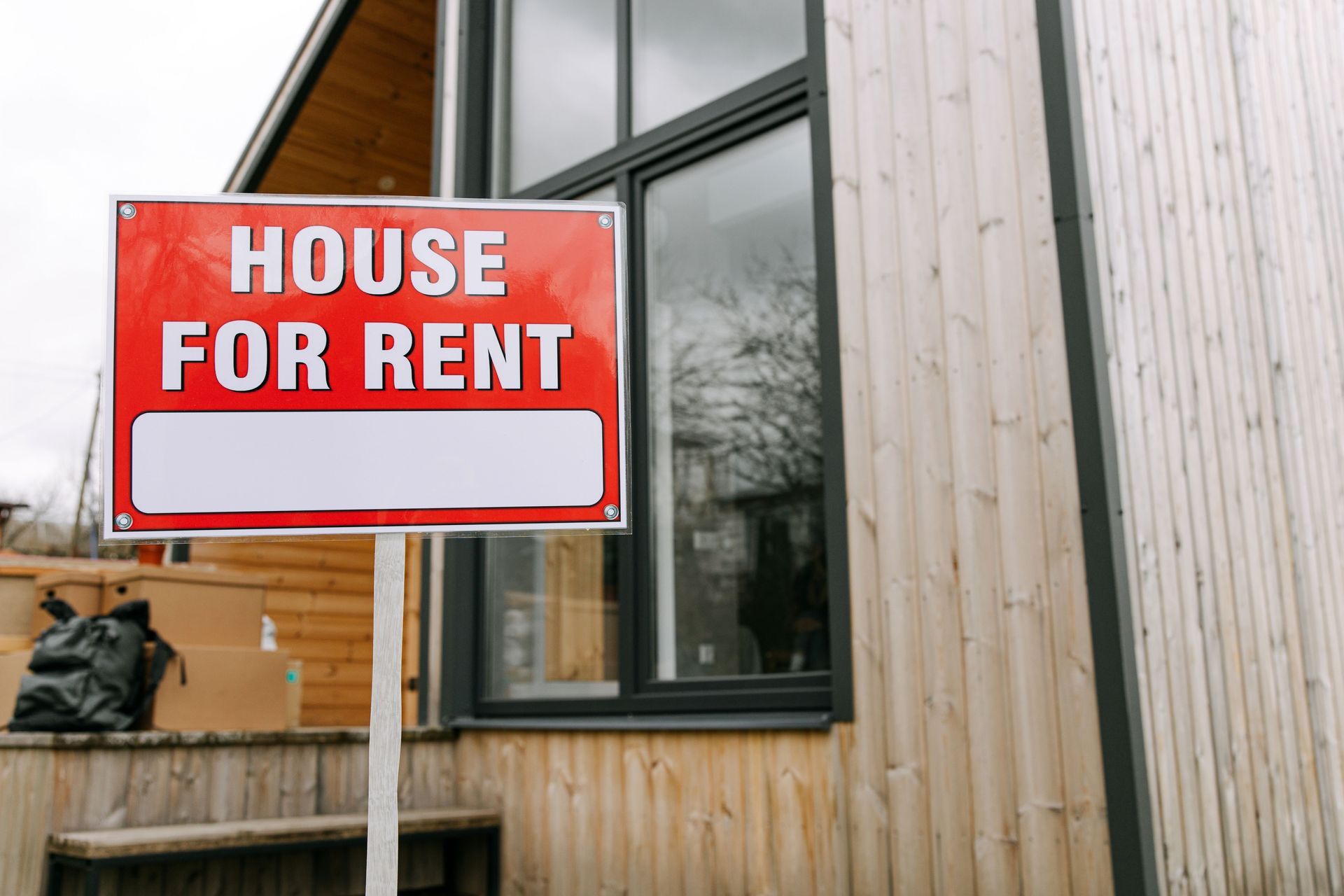
A vacant rental can make an owner very attached to one particular sentence:
“But it should rent for more than that.”
I understand. You have expenses, you have invested in the property, and you want a reasonable return. But a rental does not produce income based on what we believe it should be worth. It produces income when a qualified tenant chooses it over the other available options.
If your property is sitting vacant, the first things I would tell you to evaluate are its condition and price.
Then we need to look at the competition, the marketing, the showing experience, and the time of year.
At KNR Property Management, that is a conversation based on activity and evidence—not simply lowering the rent because we have run out of ideas.
Start With What Is Available Right Now
When reviewing a vacant rental, we first look at comparable properties currently available in the neighborhood and surrounding area.
What will a prospective tenant see when they search alongside your listing?
We compare location, condition, size, bedrooms, bathrooms, amenities, and the total rental package. We also consider how many similar homes are available at the same time.
Then we review what has recently leased.
Both matter. A leased property tells us something about what a tenant accepted. An active listing tells us what your next tenant can choose today.
A rental that leased six months ago may be useful background, but it may not reflect the current market. Availability, demand, incentives, and pricing can change.
The date a property actually leased matters more than how recently someone happened to find the listing online.
Asking Rent Is Not the Same as Achieved Rent
Suppose several comparable units are advertised at $1,300, but the last four verified leases were closer to $1,100.
That deserves attention.
It does not automatically mean every available unit should be $1,100. Perhaps some have been renovated or include services others do not. But it does mean we should question whether the advertised prices are producing results.
An owner can ask any number. That number becomes meaningful when a qualified tenant agrees to pay it.
Our job is to balance recent leasing evidence with current competition and the specific condition of your home.
What Is the Listing Activity Telling Us?
Inquiries, showings, and applications help us identify where people are losing interest.
Very Few Inquiries
My first suspicion is often price, especially when the listing has appropriate exposure and good photographs.
However, we also check for inaccurate details, missing information, poor presentation, or other barriers.
If comparable properties appear to offer more for the same money, tenants may never reach out.
Inquiries but Few Showings
People may be comparing several options. Something they learn after contacting us may also affect their interest: availability, lease terms, total costs, or showing access.
That is why responding quickly and answering questions clearly matters.
An inquiry is an opportunity to help someone decide whether the property fits—not a guarantee they will schedule a tour.
Showings but No Applications
When people visit but do not apply, we look closely at their feedback.
Does the home feel less appealing in person? Is there deferred maintenance? Does the location meet their needs? Does another property offer better value?
Repeated showings without applications are a reason to investigate, not simply keep scheduling more appointments and hope the next person feels differently.
Condition Can Stop a Lease Before the Conversation Starts
A rental does not need to be brand-new to lease well. It does need to feel clean, functional, and cared for.
Common concerns include:
- Worn flooring.
- Dirty bathrooms or appliances.
- Damaged walls.
- Burned-out bulbs.
- Broken fixtures.
- Neglected landscaping.
- Unresolved odors.
- Repairs that visibly remain unfinished.
These are things we work to address during turnover. If we take over a property with existing concerns, we explain them to the owner and discuss the appropriate work.
An imperfect property can rent. But it may take longer, require more showings, or invite requests for a lower price.
You may save money by postponing a repair and then lose that savings through vacancy.
The Showing Experience Matters
KNR follows a showing standard.
Our agent arrives early, turns on the lights, checks that the temperature is appropriate, and makes sure the home is presentable.
If something needs cleaning or an odor needs attention, we want to address the cause rather than cover it up.
Prospective tenants should be able to walk through comfortably, ask questions, and understand the application process.
Good photographs get people interested. The showing needs to support the impression those photographs created.
Follow-Up Is Part of Marketing
Posting a listing is the beginning of the work.
We respond to inquiries, answer questions, arrange showings, and follow up with prospective tenants. People searching for a rental often contact several properties, so an unanswered message gives them time to move on.
Convenient access matters too. If showing opportunities are consistently difficult to arrange, interested renters may choose another home before they ever see yours.
Before blaming the market, an owner should ask whether the property is being actively worked—not simply advertised.
When Should an Owner Reconsider the Strategy?
At KNR, roughly two weeks without inquiries is a reason to review the listing and discuss adjustments.
We also reassess when a property receives multiple showings but no applications.
That is a review point, not a rule that every home must lease within fourteen days. Property type, price, season, competition, and feedback all affect the next step.
The important thing is to respond to what we are learning.
Keeping the same price and condition for another month is still a decision. It should be a deliberate one.
Seasonality Matters—Especially in Student Housing
In our Gainesville experience, leasing often slows after the main summer move-in season and through the later part of the year.
Homes still lease during those months, but price and condition become especially important.
Student housing has a more concentrated leasing window. If an owner misses it, there may still be prospective tenants, including renters outside the student market. However, the remaining demand may not support the same pricing or lease structure.
Sometimes we discuss a lease ending in early summer to position the property for a stronger future leasing period. That needs to fit the tenant’s plans, owner’s goals, and turnover schedule.
The best timing for a Gainesville student property may not be the best timing for a traditional rental in Crystal River or Ocala. Local knowledge matters.
A Price Reduction May Cost Less Than an Incentive
I generally want owners to compare the actual cost before adding services or offering concessions.
For example, if lawn service costs $200 a month, including it for a year adds $2,400 in expenses. A $50 monthly rent reduction totals $600 over the same period.
Those are illustrative figures, but they show why the math matters.
A one-time concession may make sense in some situations. In others, the advertised monthly rent is the barrier, and reducing it is more useful than offering something the tenant does not particularly need.
Look at the total cost, the effect on interest, and the ongoing obligation—not simply which offer sounds more appealing.
What Does Holding Out for Another $100 Actually Cost?
Consider a simplified example.
An owner hopes to receive $2,000 per month, but a qualified tenant is available at $1,900.
The difference is $1,200 over a twelve-month lease. One additional month vacant at the hoped-for rate represents $2,000 in rent that was not collected.
That comparison does not guarantee the lower price will produce a tenant. It illustrates why holding out needs a financial reason.
Taxes, insurance, mortgage payments, utilities, and maintenance may also continue during vacancy. Those expenses belong in the cash-flow analysis, but they should not be double-counted as though all of them disappear once someone moves in.
The highest monthly asking rent does not always produce the highest annual income.
When Waiting Made the Options Worse
We worked with an owner of several student rentals who wanted higher pricing than we recommended. The rental package also became less competitive after included parking and internet were removed.
We discussed pricing and the competing options through the leasing season.
By July, four units remained available. The owner then agreed to lower the price, and parking and internet were ultimately included again.
We leased three of the four units. One remained vacant.
We cannot know exactly what would have happened if the earlier recommendations had been accepted. But by waiting, the owner reached the end of the strongest leasing window with fewer prospective tenants and less room to negotiate.
That is why we encourage owners to respond to market feedback while there is still time to make a useful adjustment.
Filling Quickly and Screening Carefully Belong Together
Reducing vacancy does not mean approving the first person willing to send a deposit.
We want to lease promptly and place a qualified tenant using consistent screening criteria.
If a property is not attracting suitable applicants, we should evaluate the offering, presentation, and price. We should not solve a marketing problem by abandoning screening standards.
A filled property is only helpful if the tenancy is reasonably positioned to succeed.
Frequently Asked Questions
Why is my rental getting no inquiries?
Price is often a factor, but listing exposure, photographs, inaccurate details, availability, and competition should also be reviewed.
Why are people touring but not applying?
The in-person condition, location, lease terms, or value compared with other rentals may be stopping them. Showing feedback helps identify what needs attention.
How long should I wait before reducing rent?
KNR generally reviews the strategy after approximately two weeks without inquiries or when repeated showings produce no applications. The appropriate adjustment depends on the property and market.
Should I offer an incentive instead of lowering rent?
Compare the full cost and what prospective tenants value. An ongoing service can cost considerably more than a modest rent reduction.
Should I price my home based on neighboring listings?
Use current listings to understand the competition, but also examine recent verified leases and differences in condition and amenities.
Does a vacant property mean the manager is doing a poor job?
Not necessarily. Review marketing, response times, showing access, feedback, pricing recommendations, property condition, and whether recommended changes have been approved.
Meet Rebecca and KNR Property Management
I’m Rebecca Johnson, Broker/Owner of KNR Property Management. Our team manages long-term residential rentals throughout Gainesville, North Central Florida, and the Nature Coast.
We help owners evaluate rental pricing, prepare properties, respond to inquiries, conduct showings, and adjust their strategy as the market changes.
If your rental is sitting vacant, we are happy to discuss what may be holding it back.
Sometimes the answer is a repair. Sometimes it is better presentation. Sometimes it is a price the owner did not want to hear.
Our job is to have that conversation honestly and help the property move forward.