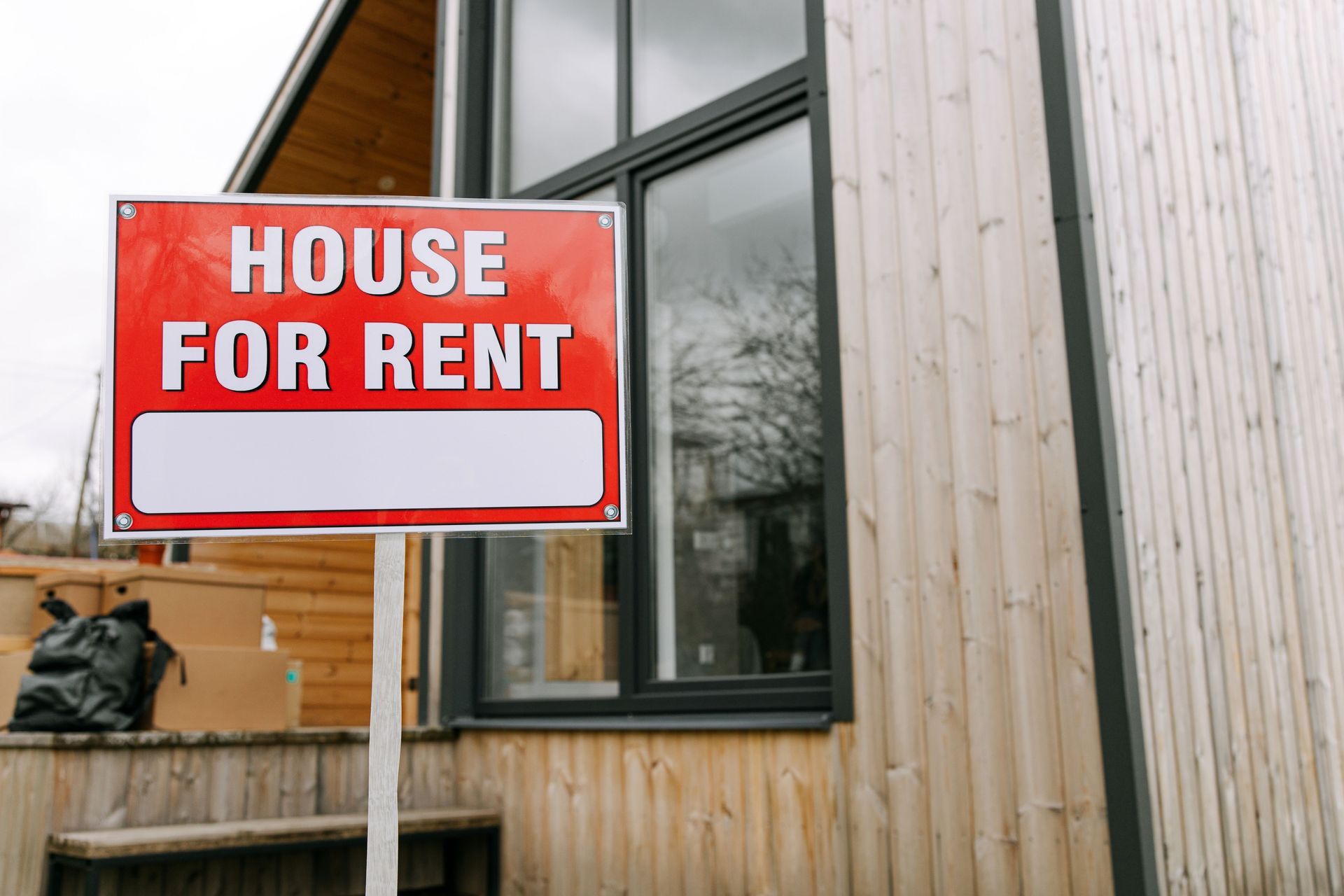
What Happens During a Rental Property Turnover—and What Should Owners Budget For?
This is a subtitle for your new post

One of the biggest surprises for a first-time rental-property owner comes when the first tenant moves out.
“Why am I paying for this? Isn’t that what the security deposit is for?”
Sometimes a tenant leaves damage that supports a charge. But ordinary wear, aging materials, preventive maintenance, and preparing a home for its next resident are part of owning a rental.
In my experience, I have never seen a turnover where the owner had absolutely no expense.
Even a wonderful tenant who leaves a clean home has been living there. Things wear out. Walls need attention. Fixtures loosen. Maintenance comes due.
That is one reason we encourage tenant retention. Keeping a good tenant can save an owner more than they realize.
What Is a Rental Property Turnover?
A turnover is the work completed between one tenant returning possession and the next tenant moving in.
It involves documenting the condition, identifying repairs, coordinating vendors, cleaning, checking systems, and making sure the home is ready for its next resident.
At KNR Property Management, we generally plan for a seven-to-ten-day turnover window. That is our scheduling goal for a routine turn.
Extensive repairs, unexpected problems, materials, or vendor availability can require more time.
The Planning Starts Before Move-Out
We do not wait until someone hands us the keys to start thinking about what happens next.
Our renewal conversations generally begin around 90 days before the lease ends. When a tenant will not be renewing, we typically begin marketing around the 60-day mark, coordinating access appropriately.
The goal is to have the next lease arranged before the property becomes vacant, with time between residents to complete the work.
About a week before the scheduled move-out, we begin lining up vendors.
We may already know the carpet needs attention or the interior is due for paint. Other things cannot be fully assessed until the tenant has moved everything out and returned possession.
Planning ahead helps. It does not give us X-ray vision through someone’s furniture.
First, We Document the Property
Once possession has been returned, our field team inspects the property and takes move-out photographs.
We look at the condition of the rooms, appliances, flooring, fixtures, and other features. We compare those findings with move-in records and inspection documentation.
That gives us a basis for determining:
- What needs cleaning.
- What needs repair.
- What has worn out through ordinary use.
- What may support a tenant charge.
- What preventive maintenance should happen before the next move-in.
The point is to establish what happened and what the property needs.
What Work Usually Happens During a Turnover?
The exact list depends on the home, but a routine turnover commonly includes several types of work.
Painting and wall repairs
A few small picture-hanging holes may need patching and touch-up. Widespread marks or an uneven finish may call for repainting a room.
We also consider how long it has been since the property was painted. At KNR, once paint is more than about four years old, we often evaluate whether a broader repaint makes sense.
That is a maintenance decision—not a Florida rule assigning the bill to either the owner or tenant.
Trim and doors are evaluated separately. Sometimes the walls look good, but the doors and baseboards need attention.
Maintenance and functional checks
Our maintenance team checks things owners and incoming residents reasonably expect to work.
That includes lights, outlets, appliances, faucets, toilets, locks, and other fixtures. We look for leaks and address items such as dripping faucets or slow drains.
A home can look clean in a photograph and still have a maintenance list. We want to catch those issues before someone is unpacking.
Flooring
For carpeted homes, we arrange professional carpet cleaning. Depending on the condition, a localized repair may be appropriate.
Replacement depends on age, wear, damage, and whether cleaning or repair will produce an acceptable result. A three-year tenancy does not automatically mean the carpet needs replacement.
We have also had good experiences with durable vinyl plank flooring. Some products allow individual damaged planks to be replaced, although matching materials and the installation method matter.
HVAC servicing and preventive maintenance
Turnover is a useful opportunity to complete scheduled maintenance without interrupting someone who lives there.
Depending on what is due, that may include HVAC servicing and other annual maintenance.
Preventive work should happen throughout the year, but an empty property gives vendors easier access.
Pest-control preparation
KNR coordinates an initial pest-control treatment and a follow-up visit after move-in, typically around 10 to 14 days later.
A follow-up gives the pest-control company another opportunity to assess activity and address concerns. Treatment does not mean a Florida home will never have another insect.
Cleaning
The main repair work comes first. The cleaner follows.
There is not much benefit in cleaning a bathroom beautifully and then sending someone in to repair the plumbing.
We coordinate the schedule so the property receives its final cleaning after the work that creates dust, debris, and footprints.
Small Items Matter, Too
Owners often think about paint and flooring but overlook smaller items:
- Rekeying and checking keys.
- Replacing burned-out bulbs.
- Checking filters.
- Repairing screens.
- Testing smoke alarms and checking their age.
- Checking appliance interiors and shelving.
- Repairing loose handles and fixtures.
Smoke alarms do not last forever. The U.S. Fire Administration recommends replacing them at 10 years old. A working test button is not a reason to ignore the replacement date.
Screens also deserve attention. Florida law addresses their condition at the start of tenancy and annual repairs when necessary, subject to applicable requirements and permitted written modifications for single-family homes and duplexes. That is more specific than simply saying every screen must be replaced annually.
What Should an Owner Budget for a Turnover?
Based on KNR’s experience, a light turnover may run approximately $600 to $800.
For a property occupied for several years that needs more work, $1,500 to $3,500 can be a useful planning range.
Those figures are examples, not quotes or maximums. Full flooring replacement, extensive painting, significant damage, plumbing problems, or major equipment replacement can take the total substantially higher.
The biggest cost drivers include:
- The size and condition of the property.
- How long it has been since painting or other updates.
- Flooring type and condition.
- Maintenance completed during the tenancy.
- Cleaning and removal of abandoned belongings.
- Unexpected repairs discovered after move-out.
Owners should also account for utilities, any vacancy between leases, and applicable leasing fees separately from the physical work.
The goal is to have funds available before the tenant moves out, rather than hoping the security deposit will cover whatever we find.
Why the Utilities Must Stay On
We need electricity and water to complete a proper turnover.
How do we test the dishwasher without them? How do we check for a plumbing leak? How does the cleaning crew clean?
And yes, our cleaning crews appreciate air-conditioning. This is Florida.
Maintaining appropriate temperature and humidity control also matters while the property is vacant.
Owners should coordinate utility service in advance so there is no gap between the outgoing tenant’s service and the turnover period.
We have had turnovers delayed because utilities were not available. Vendors could not begin, appointments had to move, and the property sat waiting.
An available handyman cannot do much with a dark house and no running water.
How We Prioritize Work When the Budget Is Tight
We start with safety and the work needed for the home to function properly. Then we consider preventive maintenance and cosmetic improvements.
A leaking pipe or failing water heater takes priority over an optional upgrade.
We recently had a turnover planned around new carpet, painting, and general repairs. During the work, significant plumbing concerns became apparent.
Those issues needed attention before the next tenant moved in. A fresh coat of paint does not make leaking plumbing acceptable.
Our management agreement establishes our authority to coordinate turnover work. We keep owners informed and handle additional approvals according to the agreement and the circumstances.
Does the Owner or Tenant Pay?
Owners should expect to pay for normal wear, aging components, and their maintenance responsibilities.
Tenant charges require support. We review the lease, applicable law, condition records, the cause of the problem, and the reasonable cost of addressing it.
Potential charges may involve damage beyond ordinary wear, excessive cleaning, or belongings left behind. They are not automatic simply because an invoice exists.
Intentional destruction is not the only possible basis for responsibility; misuse or negligence may also matter. But a tenant should not be charged merely because an older item reached the end of its useful life.
Security-deposit handling is a separate process with notice requirements and deadlines. Florida generally requires return within 15 days when no claim is intended, or notice of an intended claim within 30 days, using an authorized delivery method.
A turnover budget should never depend on treating the tenant’s deposit as the owner’s maintenance fund.
What If Supported Damage Costs More Than the Deposit?
The deposit may not cover all supported charges.
We have billed former tenants for balances they subsequently paid. Depending on the circumstances, an owner may also consider pursuing a claim in court.
But a bill or judgment does not guarantee collection.
Owners still need funds to prepare the property while any dispute or collection effort is being resolved.
What a Well-Planned Turnover Looks Like
One owner chose to coordinate the turnover work himself.
We notified him of the upcoming move-out and the need for utilities. He arranged his repairman, lawn care, and cleaning in sequence, with enough time before the next tenant’s scheduled arrival.
It worked because everyone knew who was doing what and when.
We have also experienced the opposite: utilities were not activated despite repeated reminders, so the vendor could not begin. The work was delayed while the property waited.
The lesson is simple: decide who is coordinating the work, keep utilities available, and respond while there is still time to protect the schedule.
The Final Walkthrough Comes Before Keys
Once the work and cleaning are complete, we return for the final walkthrough.
We test keys, turn on lights, check completed work, and document the property. We photograph appliance interiors, areas under cabinets, and other details that help establish its condition.
Depending on the home’s size, our move-in documentation may include approximately 150 to more than 500 photographs.
If something needs another visit, we coordinate the follow-up and assess whether it affects readiness for move-in.
That documentation helps protect both the owner and the incoming tenant.
Frequently Asked Questions About Rental Property Turnovers
How long does a rental turnover take?
KNR generally plans seven to ten days for a routine turnover. Major repairs, materials, utility interruptions, and vendor availability can extend that timeline.
Should owners expect expenses even after a good tenant moves out?
Yes. Ordinary wear, routine maintenance, cleaning, and aging materials can create expenses even when a tenant has taken good care of the home.
Does every turnover require new paint and carpet?
No. We evaluate condition, age, and whether cleaning, touch-up, or repair will achieve an appropriate result.
Can the next tenant be found before the current tenant leaves?
Often, yes. Advance renewal discussions and marketing can help reduce vacancy. We still allow time between residents to complete the turnover.
Is the cheapest turnover always the best choice?
The work needs to leave the property safe, functional, clean, and appropriately presented. Skipping necessary repairs can create another service call—and an unhappy resident—shortly after move-in.
Meet Rebecca and KNR Property Management
I’m Rebecca Johnson, Broker/Owner of KNR Property Management. We help long-term rental owners throughout Gainesville, North Central Florida, and the Nature Coast manage the work that comes with owning an investment property.
That includes coordinating turnovers, working with dependable vendors, documenting condition, and helping owners decide where maintenance dollars should go.
A good turnover is about preparing the property for another successful tenancy. We want the owner’s investment cared for and the next resident happy to call it home.
If you are planning for an upcoming move-out, talk with KNR before the keys come back. A little preparation gives everyone a much better starting point.